U Street NW runs for barely a mile through Northwest Washington, DC, from the Shaw–Howard University Metro stop west toward the rowhouses past 16th Street, and nothing about its width or its low brick skyline suggests it once rivaled Harlem. But for the better part of the twentieth century, this corridor was the commercial and cultural capital of Black Washington — dense with theaters, clubs, insurance offices, and a bank, nearly all of it Black-owned or Black-run at a time when downtown wouldn't rent to the same businesses. Residents called it Black Broadway, and Duke Ellington, who grew up a few blocks off it, is the name most attached to the legend. The useful thing about U Street in 2026 is that it isn't only a legend — you can still eat where the legend ate, and hear live jazz where it was first played.
The Theaters That Made Black Broadway
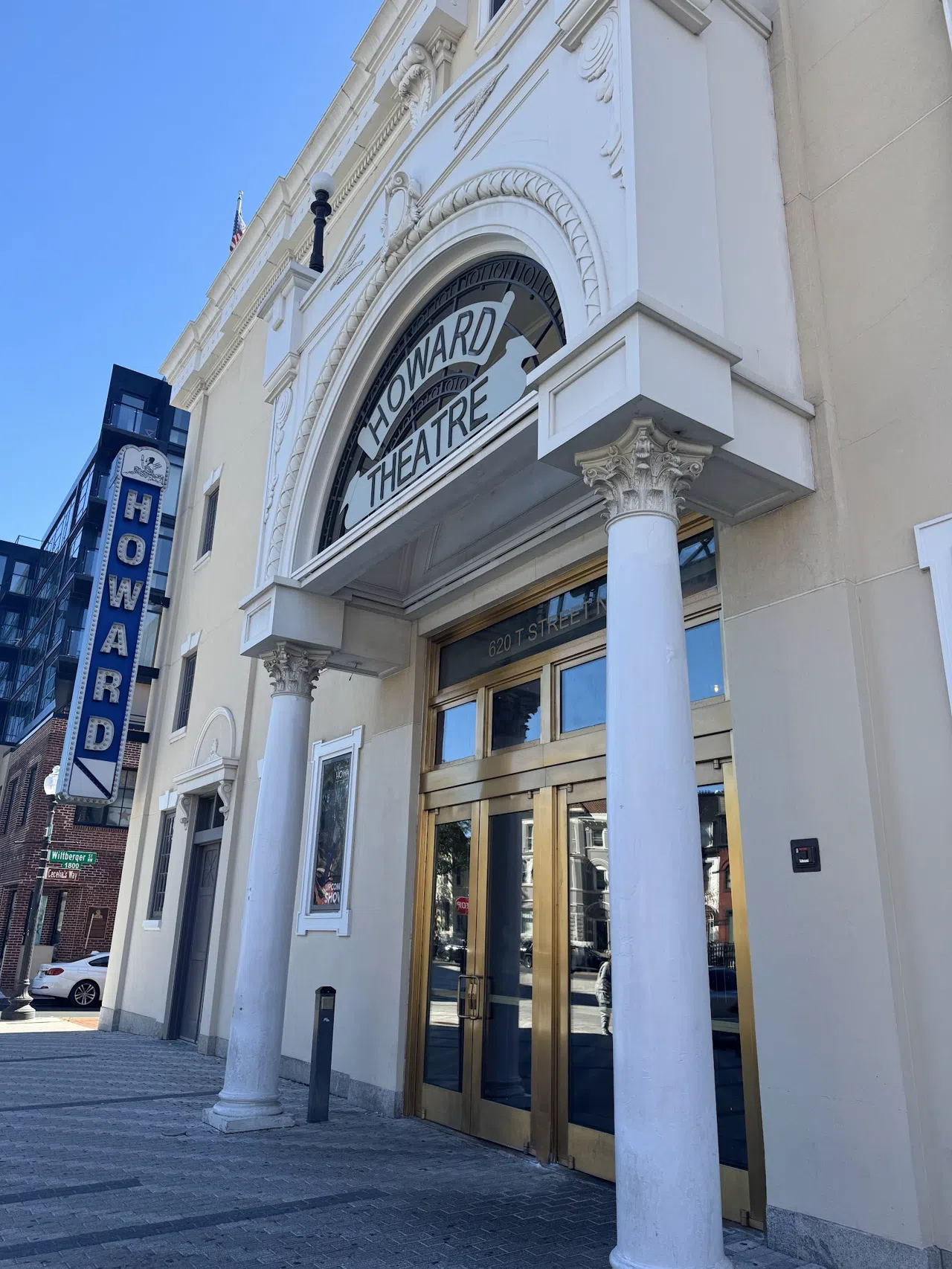
Two stages anchor the whole story, and both are still working venues rather than exhibits behind rope. The Howard Theatre, on the U Street corridor in Shaw, opened in 1910 as the first major Black-owned theater in the United States — a title that mattered enormously in a city where most stages simply refused Black performers and Black audiences alike. Duke Ellington and Ella Fitzgerald both got an early break on its stage, years before either was famous enough to headline anywhere bigger, and the theater's programming today still leans on that lineage without leaning on it too hard. It functions as genuine event space — capacity flexes from 50 to 750 guests, so it handles everything from a private party to a full ticketed touring show — and if you want to book a group event rather than simply buy a ticket, call ahead; the calendar changes week to week, and tickets for shows generally run $25 to $75 depending on who's booked.
A short walk east along U Street, the Lincoln Theatre opened in 1922 as one of the era's two premier Black theaters, the kind of house where audiences dressed for the evening. Below the main auditorium sat the Lincoln Colonnade, a ballroom where 'battle of the bands' nights once ran until dawn — a detail worth knowing even though the space isn't programmed that way today. Like the Howard, the Lincoln rents to community and corporate groups and runs its own calendar, so check what's actually showing before you build an evening around it; ticket prices vary by show, and there's no default 'jazz night' you can count on walking into.
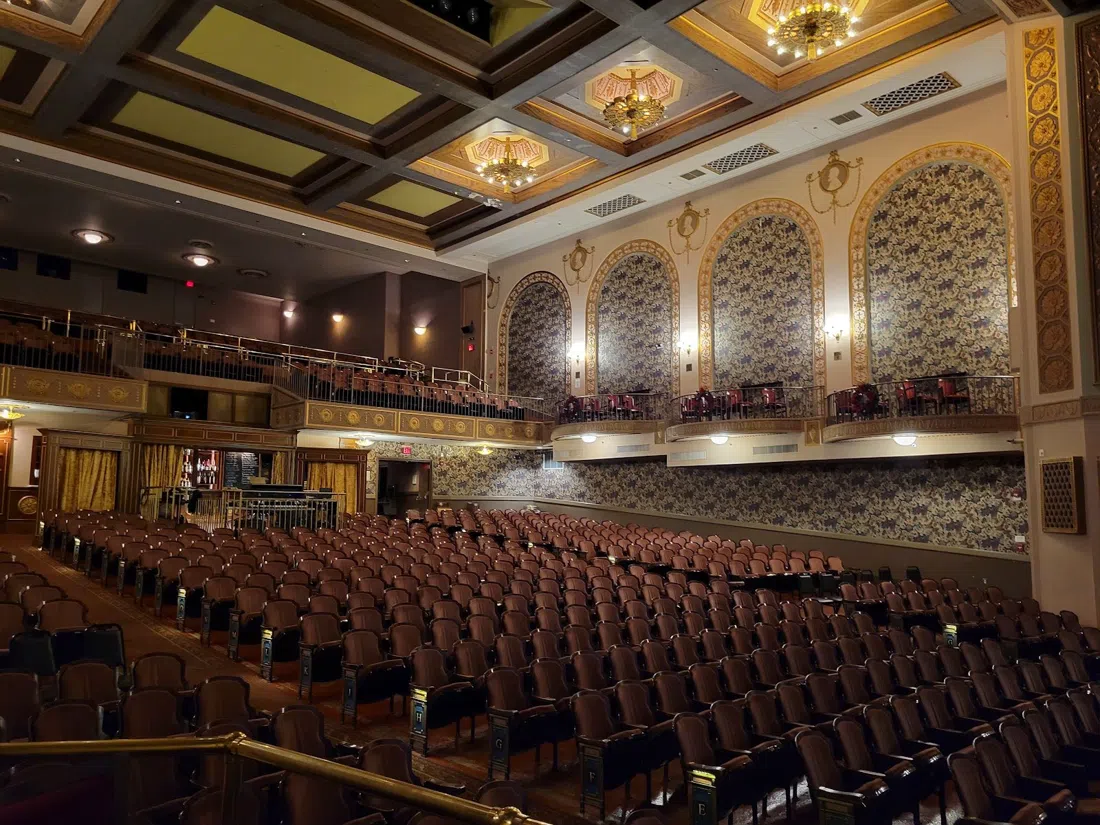
By the 1920s and into the 1930s, this run of blocks held hundreds of Black-owned businesses — doctors' offices, tailors, a bank, and a cluster of theaters and clubs dense enough that residents genuinely meant it when they called it Black Broadway rather than reaching for a compliment. Ellington grew up walking distance from both stages; the neighborhood didn't just host his early career, it produced it. That density didn't survive the century intact — the 1968 riots after King's assassination hit U Street especially hard, and the Metro construction of the 1970s and '80s tore up the street itself for years, driving out the foot traffic the theaters depended on. Both buildings sat dark or repurposed for stretches of that period before later restoration brought them back as working venues rather than ruins, which is part of why visiting them today feels different from visiting a preserved facade — you're watching an institution that came back, not one being kept alive by nostalgia alone.
Walking Black Broadway's Landmarks
The theaters carry the name recognition, but the texture of Black Broadway — the businesses that financed it, the community institutions that housed it — survives in the buildings around them, and the best way to take that in is on foot, ideally in the morning before the evening crowds arrive.
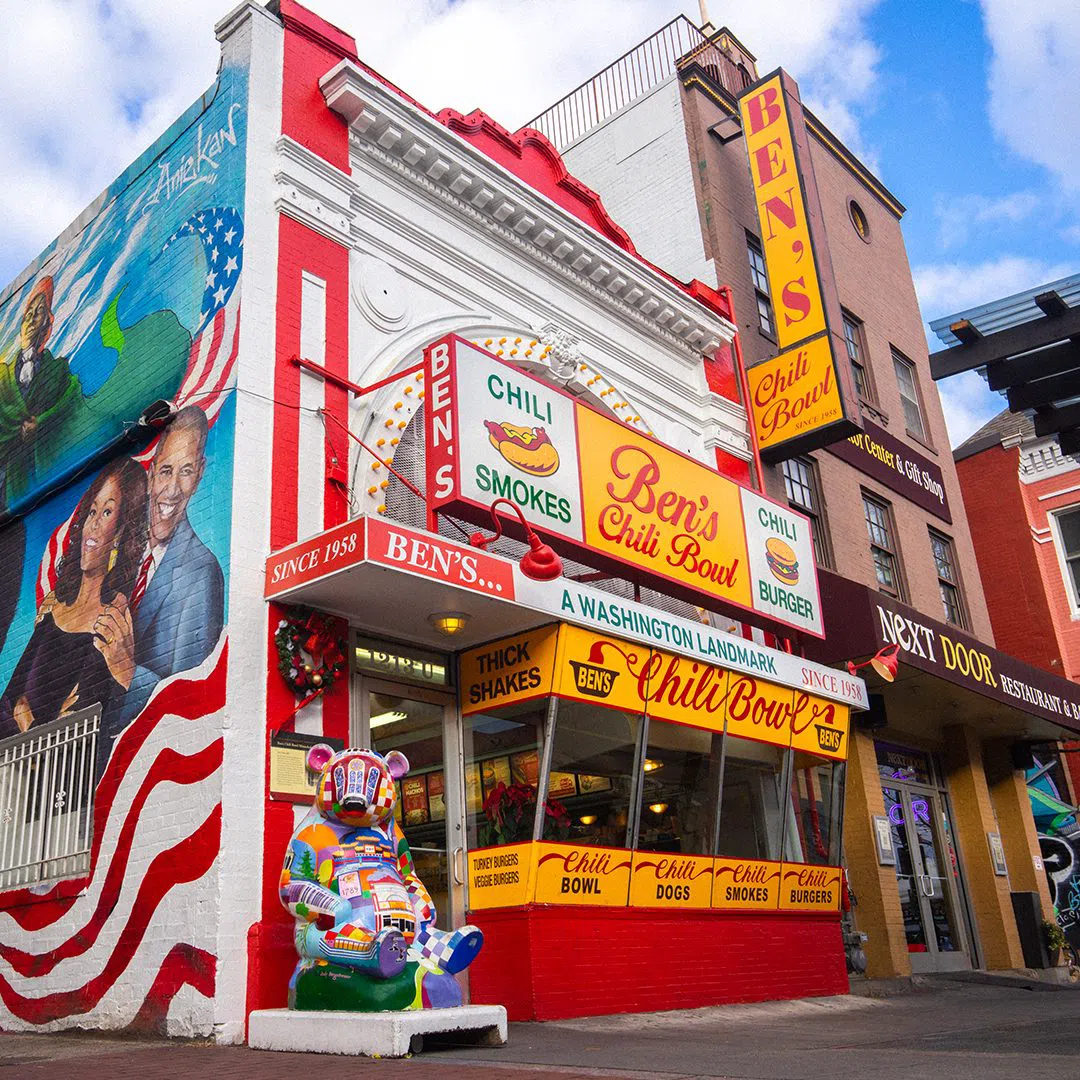
Start with the Greater U Street Heritage Trail, a free, self-guided loop that begins at 13th and U and takes about ninety minutes at an unhurried pace. Pick up the map, or the companion audio tour, at the visitor center next to Ben's Chili Bowl (U Street) — it works equally well solo or in a group of ten, since nothing about it is scheduled or guided, and there's no cost to build it around. It is, block by block, the single best orientation to this history that doesn't require a ticket to anything.
Follow it and you'll reach the True Reformer Building (off U Street), its side wall carrying a large mural of Duke Ellington that's become one of the corridor's unofficial landmarks in its own right. The building itself was the first in post-Reconstruction America designed, built, and financed entirely by African Americans, and a teenage Ellington played some of his earliest public shows in its auditorium — worth the five-minute stop even though the interior is now event space run by nonprofits rather than a walk-in attraction. Treat it as a photo and a plaque, not a tour.
A few minutes further is the Thurgood Marshall Center (off U Street), the former Twelfth Street YMCA and a National Historic Landmark — home to the first Black YMCA chapter in the United States, and the place where a young Ellington, along with generations of Black Washingtonians, found lodging, athletics, and community at a time when the city's other institutions didn't extend the same welcome. It still operates as a working community center with heritage programming rather than a museum, so if you want an actual guided visit rather than an exterior look, contact ahead; it's staffed on weekdays, and entry is free or by donation.
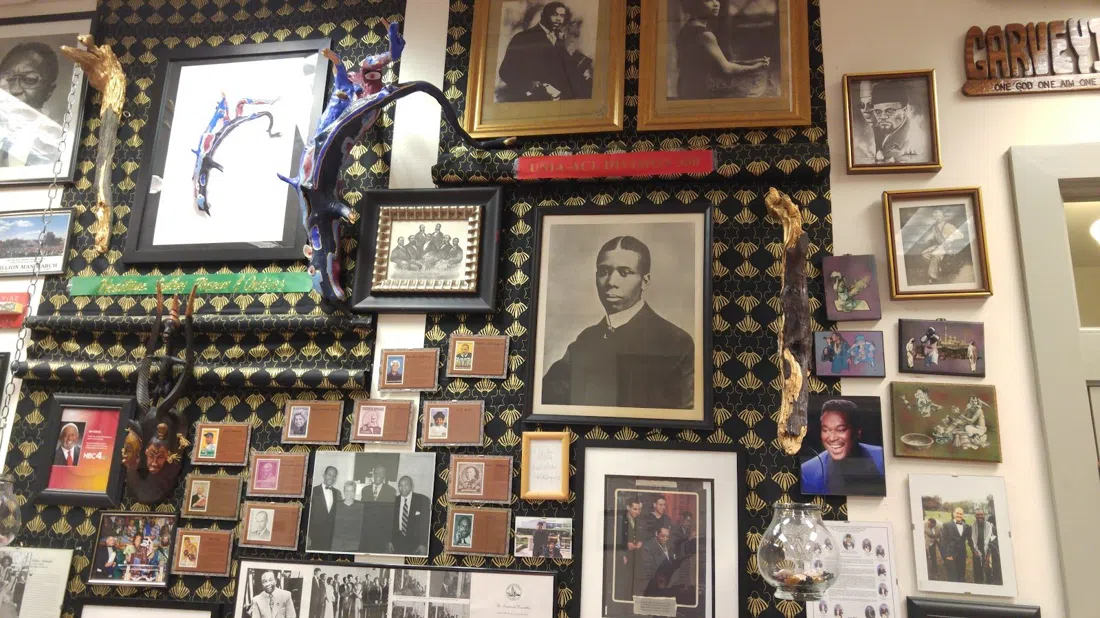
Two further stops are worth folding into the same walk, both better suited to a pause than a stop. Industrial Bank (U Street), founded in 1913 as the city's only Black-owned bank, financed the shops, theaters, and offices that built Black Broadway in the first place — and unlike nearly everything else on this trail, it isn't a memory. It's a working bank today, so view it from the sidewalk as you pass rather than expecting a tour. And the Whitelaw Hotel (off U Street), a short walk away, was the first hotel in the US designed, financed, and built by and for African Americans; it hosted Cab Calloway and Duke Ellington's own touring bands at a time when downtown Washington hotels turned Black travelers away at the door. It's apartments now, with no public entry, so this is strictly an exterior stop — read the marker, look up at the facade, and move on. Strung together, the trail and these landmarks make a loop of roughly two hours including stops, entirely free, and one of the better uses of a morning before the neighborhood's kitchens and stages open for the afternoon.

Where the Music Still Plays Live
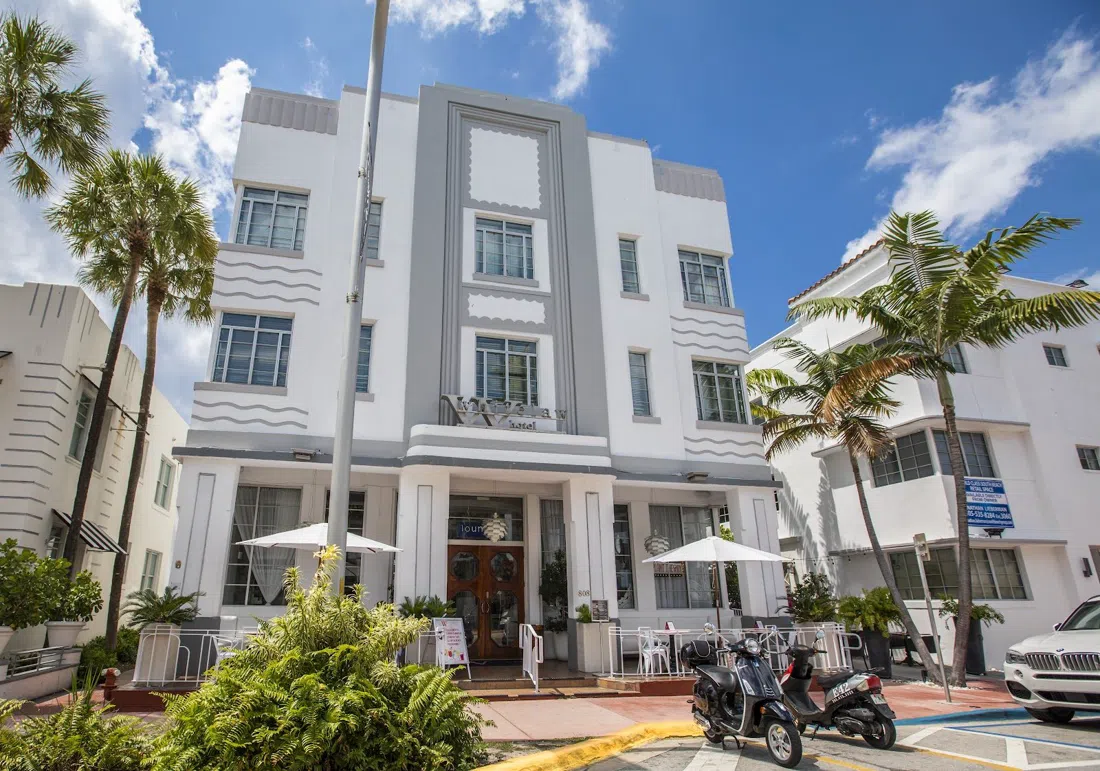
For an evening rather than a history lesson, there's JoJo Restaurant and Bar, on U Street itself, widely regarded as the last classic jazz room standing on the strip — not a revivalist tribute act, but the direct present-day thread back to the supper-club era that made this street famous. Live jazz, blues, and soul run nightly, which is rarer on U Street now than it once was, and the room leans into dinner as much as the music: mains run roughly $25 to $45, and sets carry a two-item minimum, so plan the budget around a proper dinner rather than a quick drink. It takes reservations for groups, but tables don't combine for parties larger than eight — if you're bringing a bigger group together, or want to arrange private catering, call ahead rather than turning up and hoping the room can flex around you. For a couple, or a small group who want the closest thing left to what this street actually sounded like in Ellington's day, JoJo's is the room to book.
Eating, Reading, and Sitting a While
Black Broadway was never only theaters and clubs — it was the diners, bookstores, and gathering spots that turned a strip of venues into a genuine neighborhood, and two of those are still doing precisely that job today.
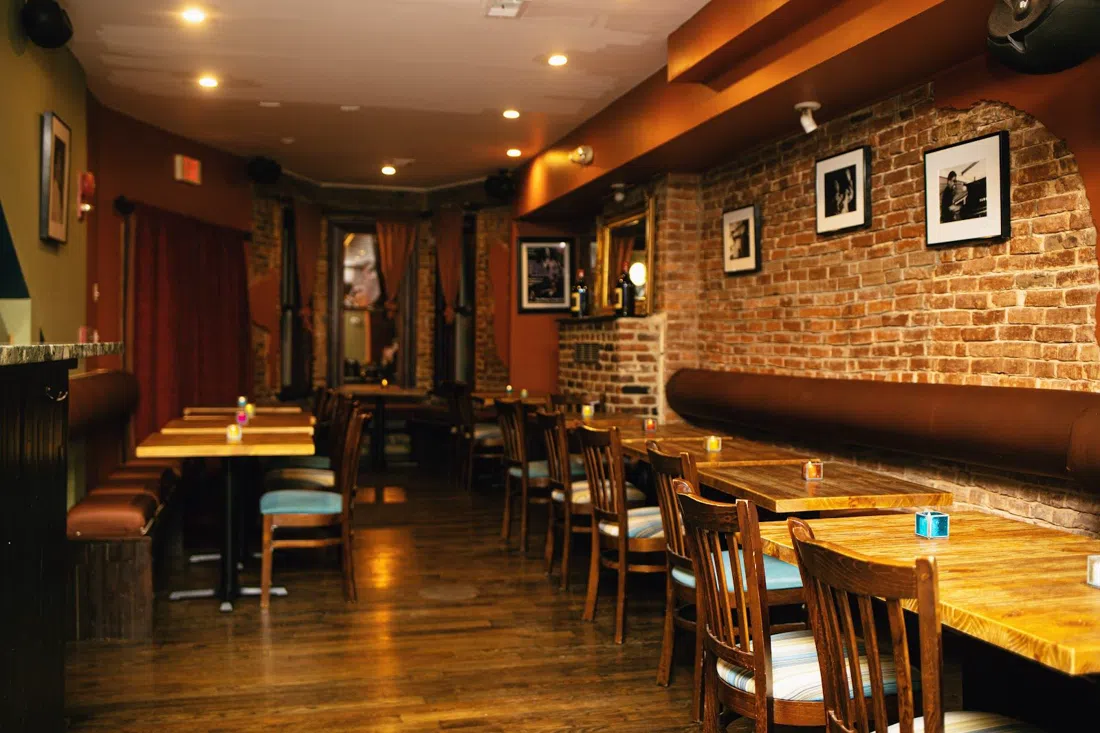
Ben's Chili Bowl, on U Street, is nearly seventy years old and still family-run, having survived both the 1968 riots that devastated the corridor and the years of Metro construction that later gutted its foot traffic — the kind of institution that outlasts the history it's a footnote to. It reopened its original U Street location in May 2026 after a ten-month renovation, so what you're walking into is freshly restored rather than simply old and tired. Counter and booth seating, walk-ins are entirely fine, it's genuinely group-friendly, and it famously stays open late into the night — mains run about $8 to $14, and it's the kind of stop that folds naturally into an evening out rather than demanding a separate trip.
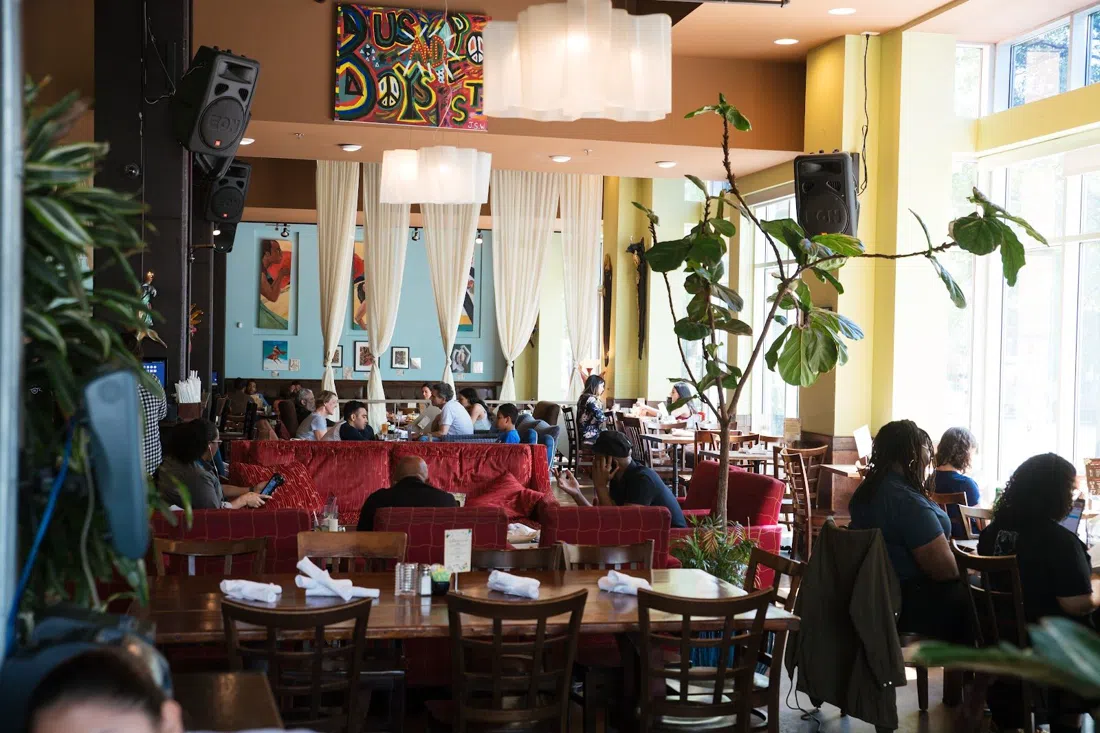
Busboys and Poets, at 14th and V, takes its name from Langston Hughes, who worked as a busboy in a Washington hotel before he was a famous poet — and the connection here isn't just branding. It's a bookstore, restaurant, and spoken-word venue combined in one large, multi-room space, hosting poetry nights, readings, and film screenings alongside a full dinner menu. The flagship location reopened after a 2024–25 renovation and remains the neighborhood's living room for Black literary and political culture rather than a nostalgia act trading on the name. It handles groups well and takes bookings, mains run $15 to $25, and if there's a reading or an open mic on the calendar during your visit, it's worth building dinner around it rather than treating the two as separate stops.
Getting There, Timing, and Budget
U Street is served directly by the U Street/African-Amer Civil War Memorial/Cardozo Metro stop on the Green and Yellow lines, which puts you within two or three minutes' walk of the Lincoln Theatre and Ben's Chili Bowl — there's no real need for a car, and street parking along U Street itself is limited and metered. The full corridor covered here, from the Howard Theatre down to the Whitelaw Hotel, fits inside about three-quarters of a mile, walkable in under thirty minutes without stopping — though the point, obviously, is to stop.
Cash still helps here. Most venues take cards, but a bit of cash speeds up a busy counter at Ben's Chili Bowl on a late night, and it's worth carrying some regardless. For timing, mornings suit the free heritage trail and the landmark stops, since the theaters and clubs don't open until afternoon or evening anyway; save a Howard Theatre or Lincoln Theatre show, or dinner and a set at JoJo's, for the same night, since both naturally cluster after dark. Budget-wise, a full day here — heritage trail in the morning, lunch at Ben's, dinner and a set at JoJo's in the evening — runs comfortably under $100 a person, excluding a big theater ticket, which makes U Street one of the better-value cultural days in the city for what it actually delivers.
If you're building a longer stay around it, this pairs naturally with the broader Washington guide, and it's worth checking a Washington hotel search for something near the U Street or Shaw–Howard Metro stops rather than downtown — you'll cut the evening commute back to nothing, and be within walking distance of dinner, a show, and the walk home.