The Washington issue
The Other Smithsonian: Washington DC's Quirky Museums That Never Make the Postcards
While the queues stack up outside Air and Space, ten free Smithsonian buildings across DC sit nearly empty — here's how to route them, group-by-group and street-by-street.

By Noa BergströmThe District, one neighbourhood at a time
The Smithsonian's marquee buildings — Air and Space, Natural History — pull the crowds and the queues. A quieter, arguably richer version of the institution sits a few hundred metres away, in buildings most visitors walk straight past. Here's the version of the Mall (and beyond) worth actually planning around, grouped for walking, with honest notes on what suits a couple versus a coach group.
The Mall's Quiet Wing
Four Smithsonians sit within a ten-minute walk of each other on or just off the Mall, and all four are consistently emptier than their neighbours — which is the whole point.
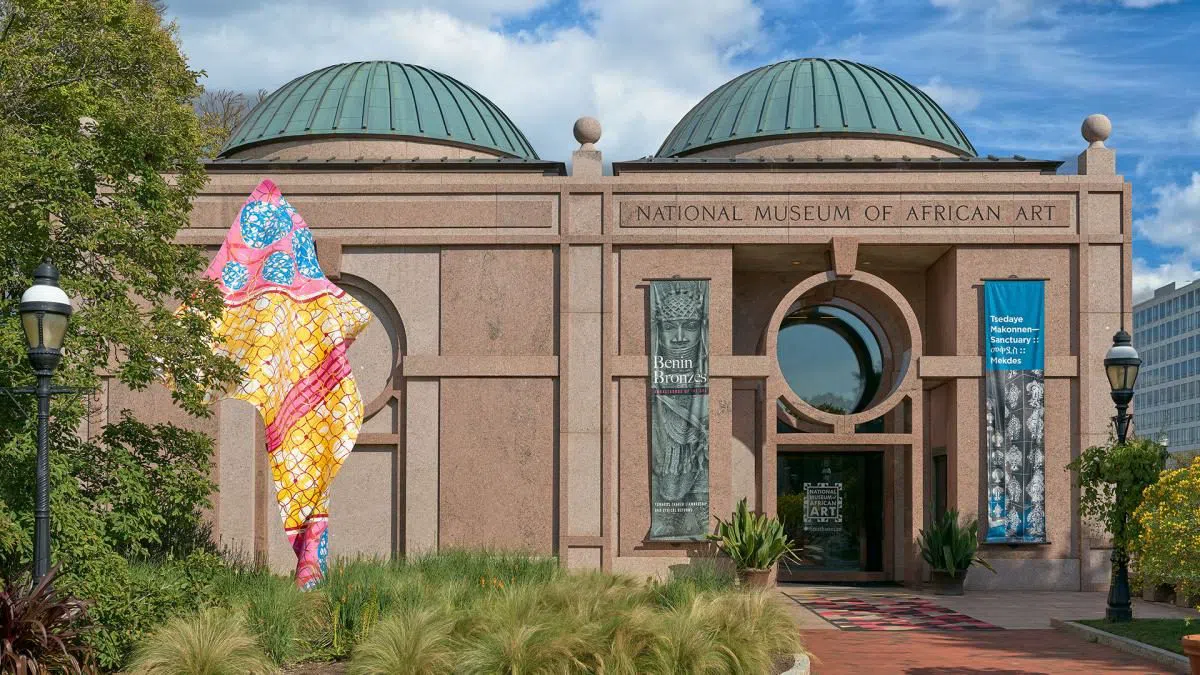
The National Museum of African Art (Independence Ave SW, Mall) is built partly underground, its galleries wrapped around a courtyard in a way that has nothing in common with the classical stone boxes around it. It's free, and it's reliably the emptiest major Smithsonian building on the Mall — worth building fifteen minutes into any Mall walk even if African art isn't on your list, because the architecture alone rewards the detour. Group and docent tours run by advance reservation through the museum's visit page; it's a genuinely good group stop precisely because there's rarely a crowd to compete with.
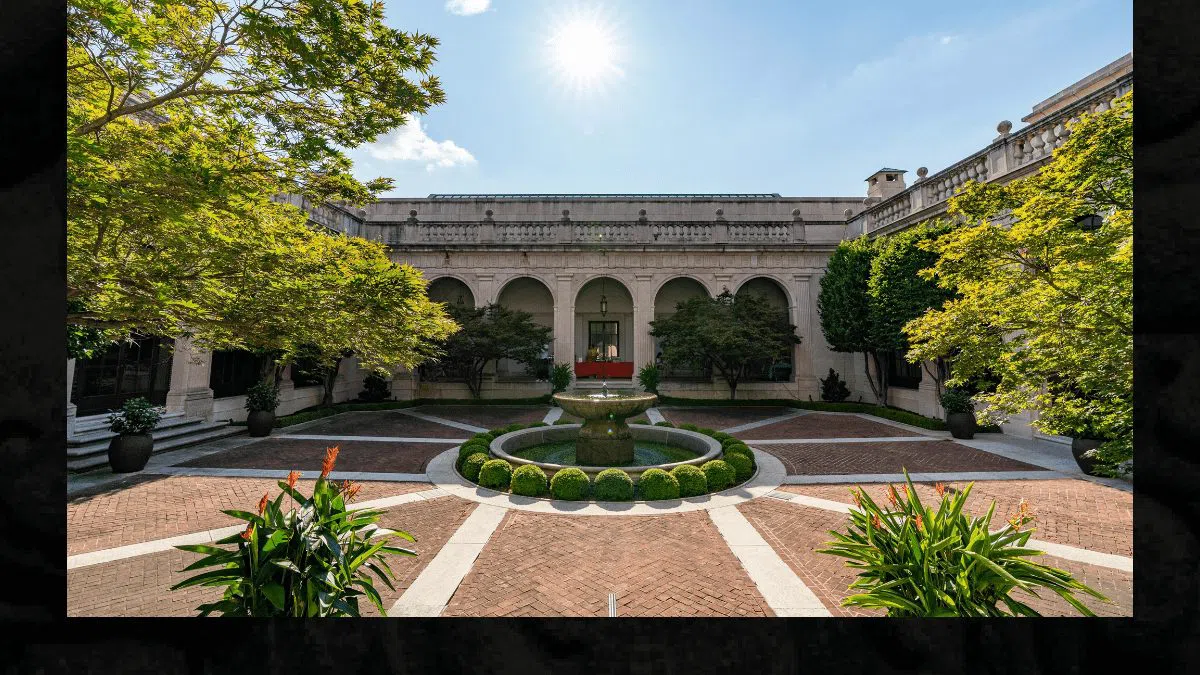
Next door, the National Museum of Asian Art — the Freer Gallery of Art and the Arthur M. Sackler Gallery, joined underground and now marketed as one museum (Independence Ave SW / Jefferson Dr SW, Mall) — holds more than 46,000 objects. The Peacock Room, James McNeill Whistler's gilded, blue-green dining room shipped over in pieces from London, is reason enough on its own to skip the Air and Space line for an afternoon. Free, open daily, and calm enough that group tours generally don't need to book ahead, though reservations are available.
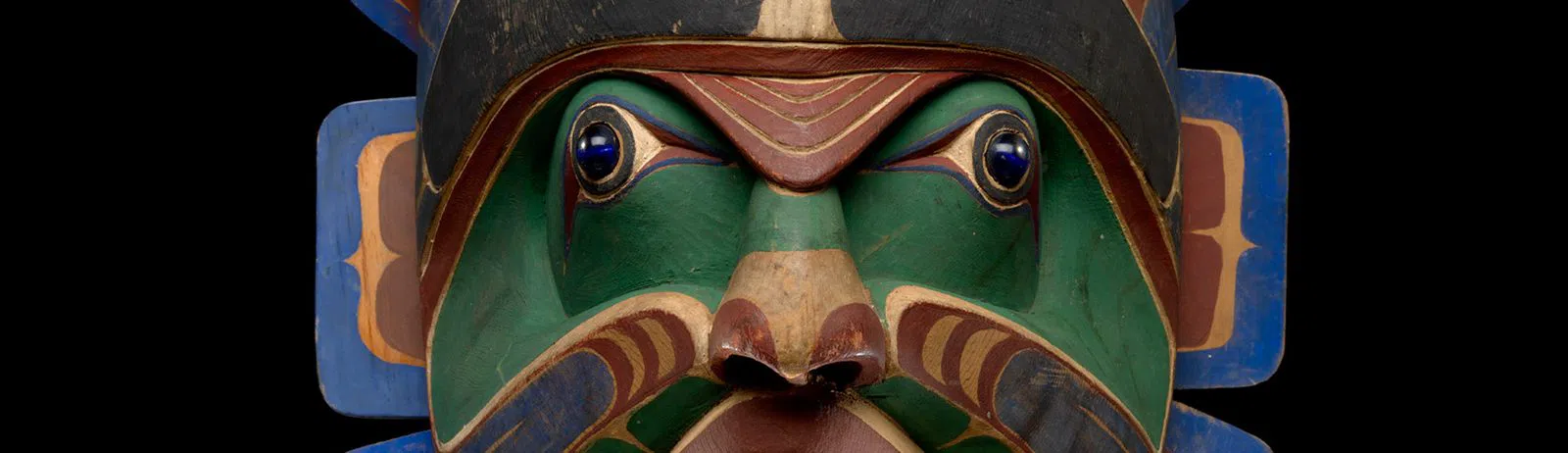
The National Museum of the American Indian (4th St & Independence Ave SW, Mall) is a five-minute walk from Air and Space and gets a fraction of the traffic. The building — undulating limestone, meant to evoke a wind-carved rock formation — is worth the trip by itself, no ticket required. It's very group-friendly, and the Mitsitam Native Foods Cafe on site (regional Indigenous dishes, not a standard museum cafeteria) is a genuinely good group lunch stop rather than a fallback.
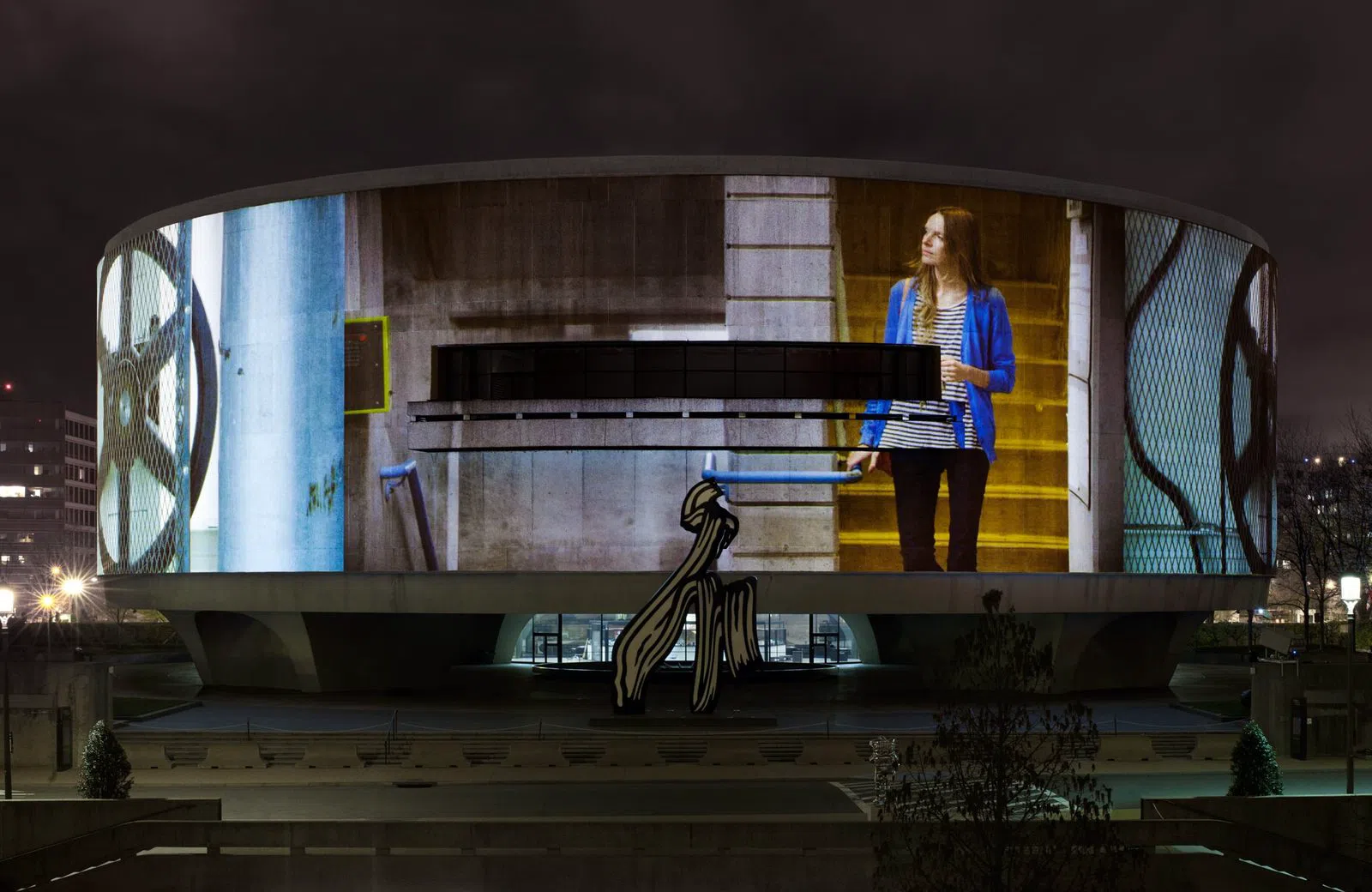
The Hirshhorn Museum and Sculpture Garden (Independence Ave SW at 7th St, Mall) is the Mall's modern and contemporary art museum, a poured-concrete cylinder that still looks radical next to its neighbours. It's free and good for smaller, focused tours. One honest caveat: the Sculpture Garden itself is mid-revitalization and isn't expected to reopen until October 2026, so if outdoor sculpture is the draw, hold this one until later in the year — the museum building is unaffected and fully open in the meantime.
A sensible route: start at African Art, walk the block to Asian Art (Freer/Sackler), continue to the Hirshhorn, then finish at the American Indian museum — roughly a 25-minute walk end to end if you don't stop, half a day if you do.
Plan your Washington trip
Live prices from our booking partners.
Free cancellation on many rooms. We may earn a commission when you book.
Two Buildings on Borrowed Time
Two Smithsonian buildings have been reopened specifically for America's 250th-anniversary programming in 2026, and both are scheduled to close again afterward — so the advice here is simply: go now.
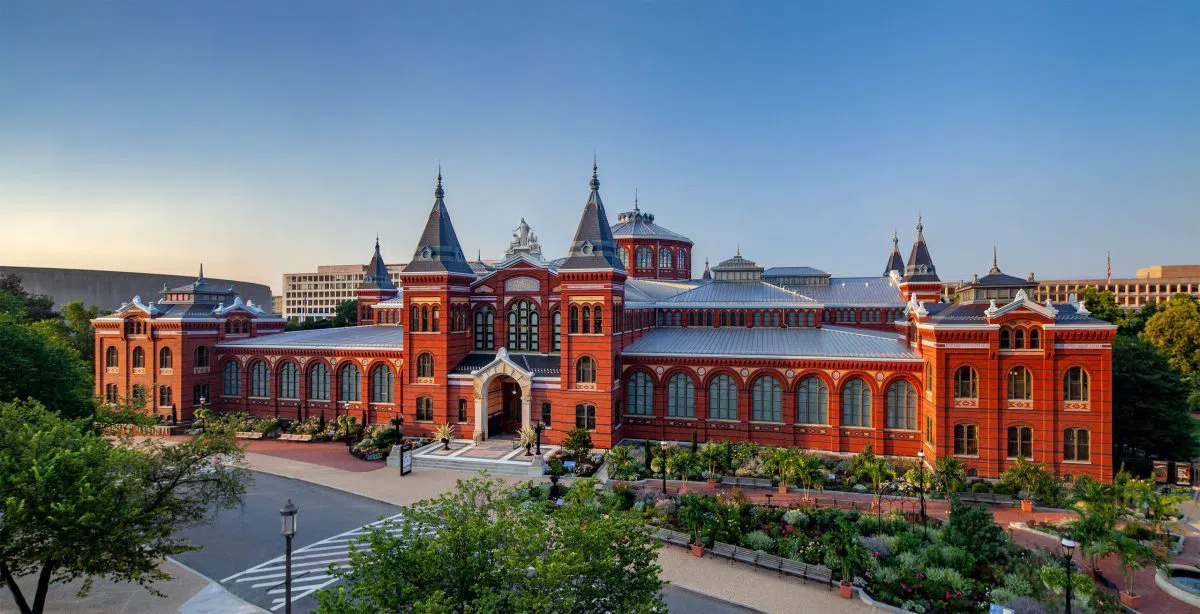
The Arts and Industries Building (900 Jefferson Dr SW, Mall, next to the Castle) is a restored Victorian exhibition hall — red brick, glass, cast iron — that opened in 1881 as the Smithsonian's first purpose-built museum. It's free, groups are welcome, but this is a limited-run reopening confirmed only through September 7, 2026. There's no guarantee it stays open past that date, so if it's on your list, don't push the trip to next year.
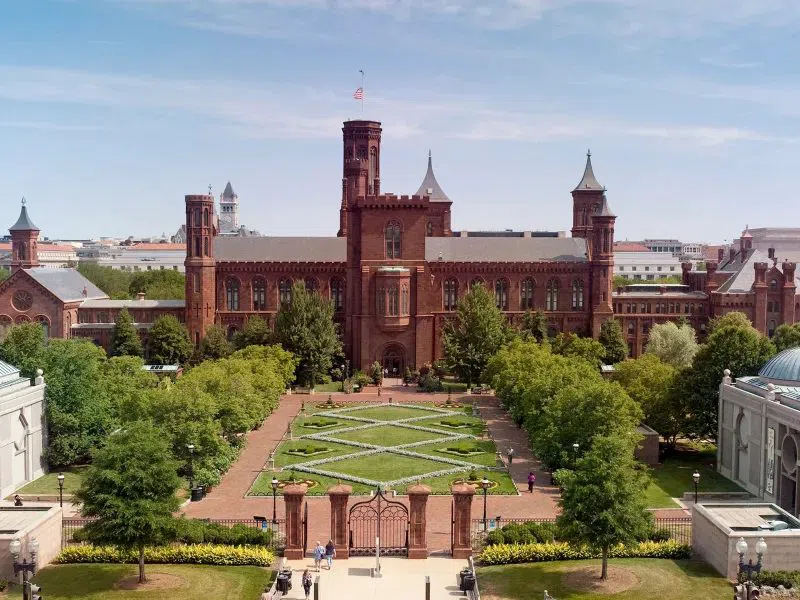
The Smithsonian Institution Building, universally called the Castle (1000 Jefferson Dr SW, Mall), is the red sandstone original headquarters and the most photographed building on the Mall that almost nobody goes inside. It's temporarily reopened from June 16 through September 7, 2026 as a visitor center and cafe, with James Smithson's crypt accessible just inside the entrance — a genuinely odd thing to find in a working museum lobby. After that window it closes again for continued multi-year renovation. Treat it as a quick stop — ten, fifteen minutes — rather than a full visit, and a good bookend to a Mall walk: start or finish here, not in the middle.
Both buildings sit next to each other, so pair them: the Castle first (as an orientation stop — it functioned as the original visitor center for a reason), then Arts and Industries a minute's walk away.
Off the Mall Entirely
Three of the best "quirky Smithsonian" stops aren't on the Mall at all, which is exactly why they don't make it onto most itineraries.
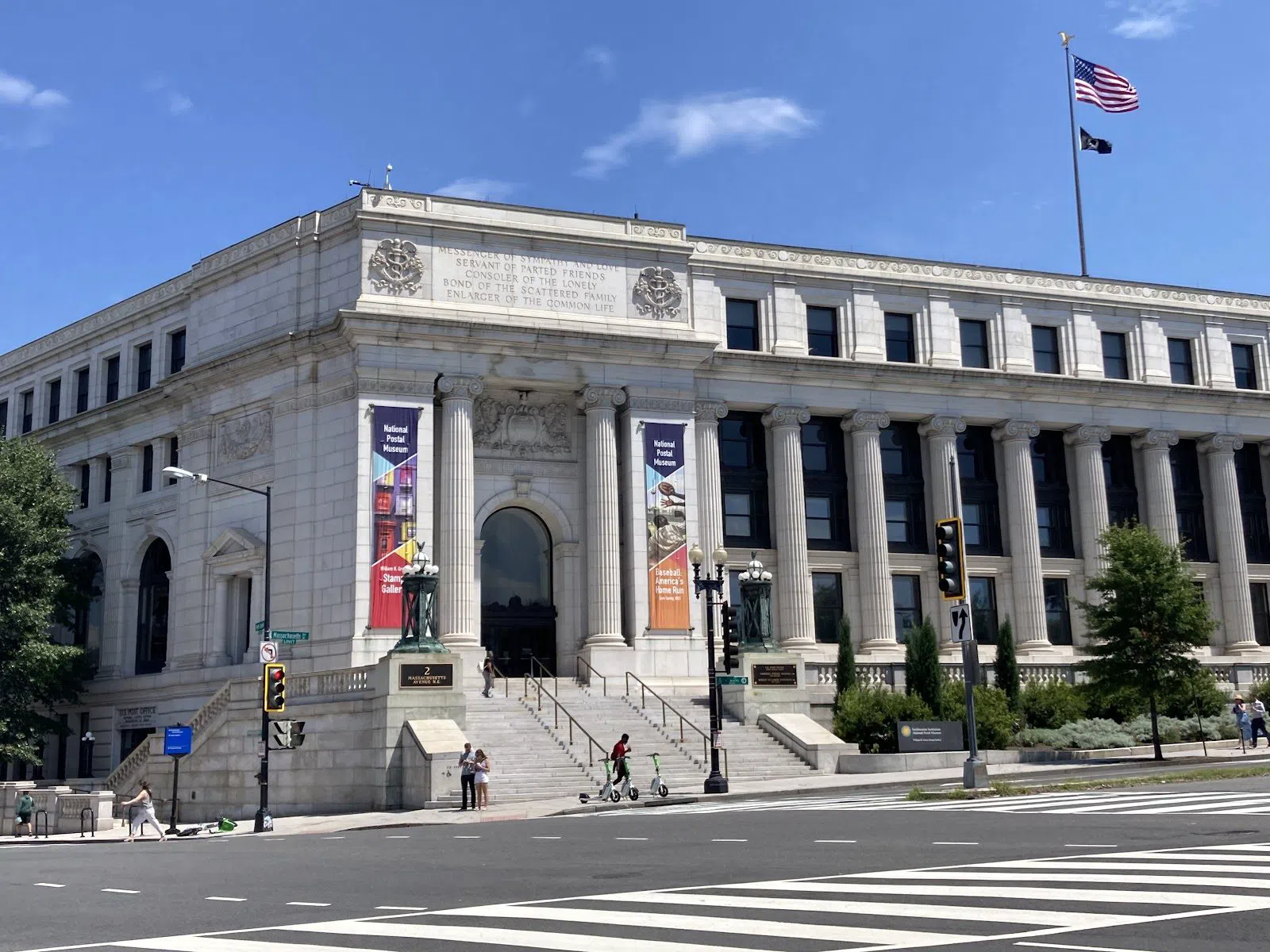
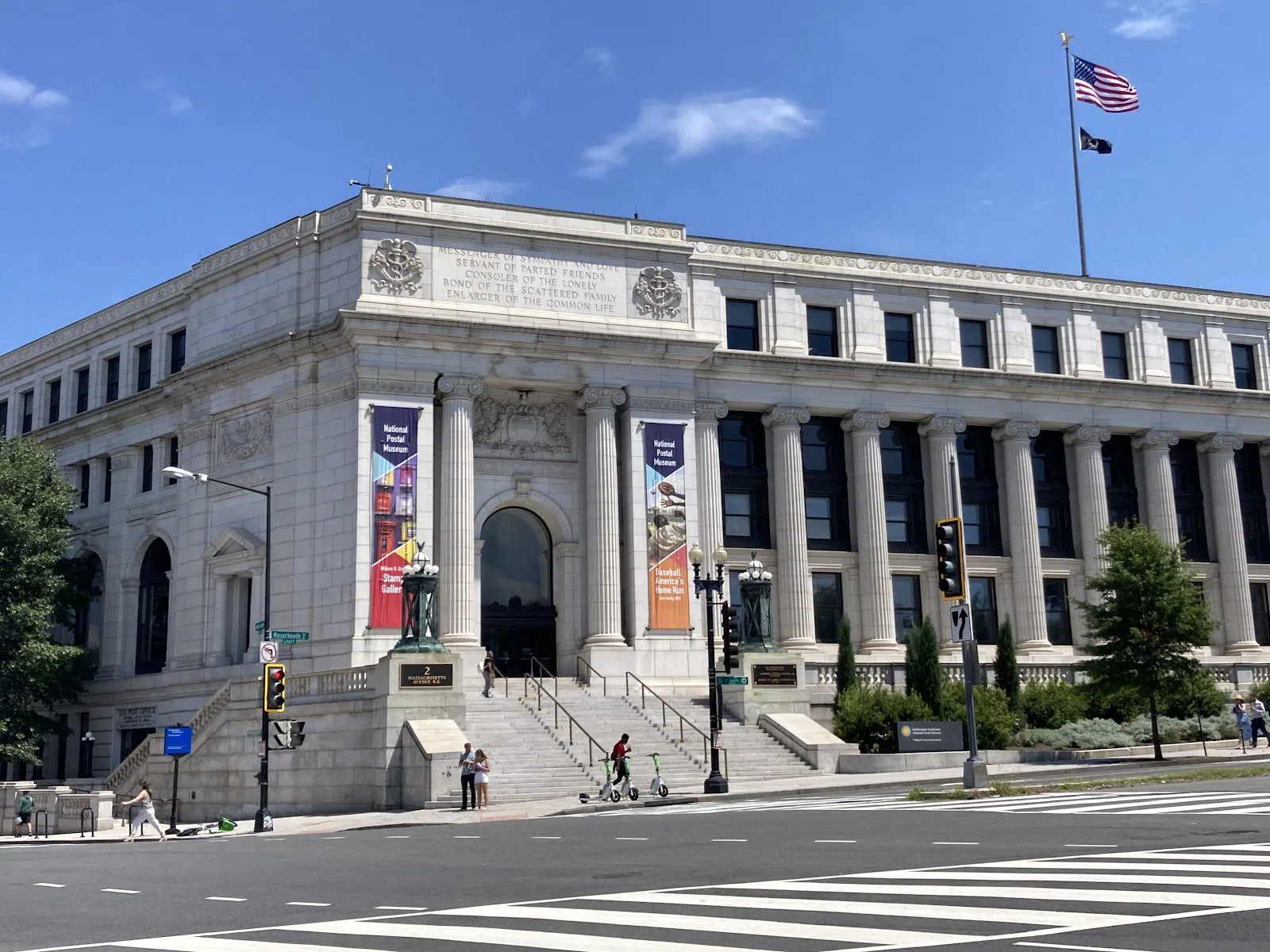
The National Postal Museum (2 Massachusetts Ave NE, near Union Station) might be the single most underrated Smithsonian in the city. It's a five-minute walk from Union Station, free, self-guided, and almost never crowded — a real rarity in this city. It houses the national stamp collection alongside genuinely engaging exhibits on how mail actually moved: horse, rail, plane, pneumatic tube. It welcomes school and tour groups, though given the atrium's modest size, a heads-up in advance is appreciated for larger groups. Open daily 10am–5:30pm, closed only December 25 — one of the most reliable, no-surprises stops on this list.
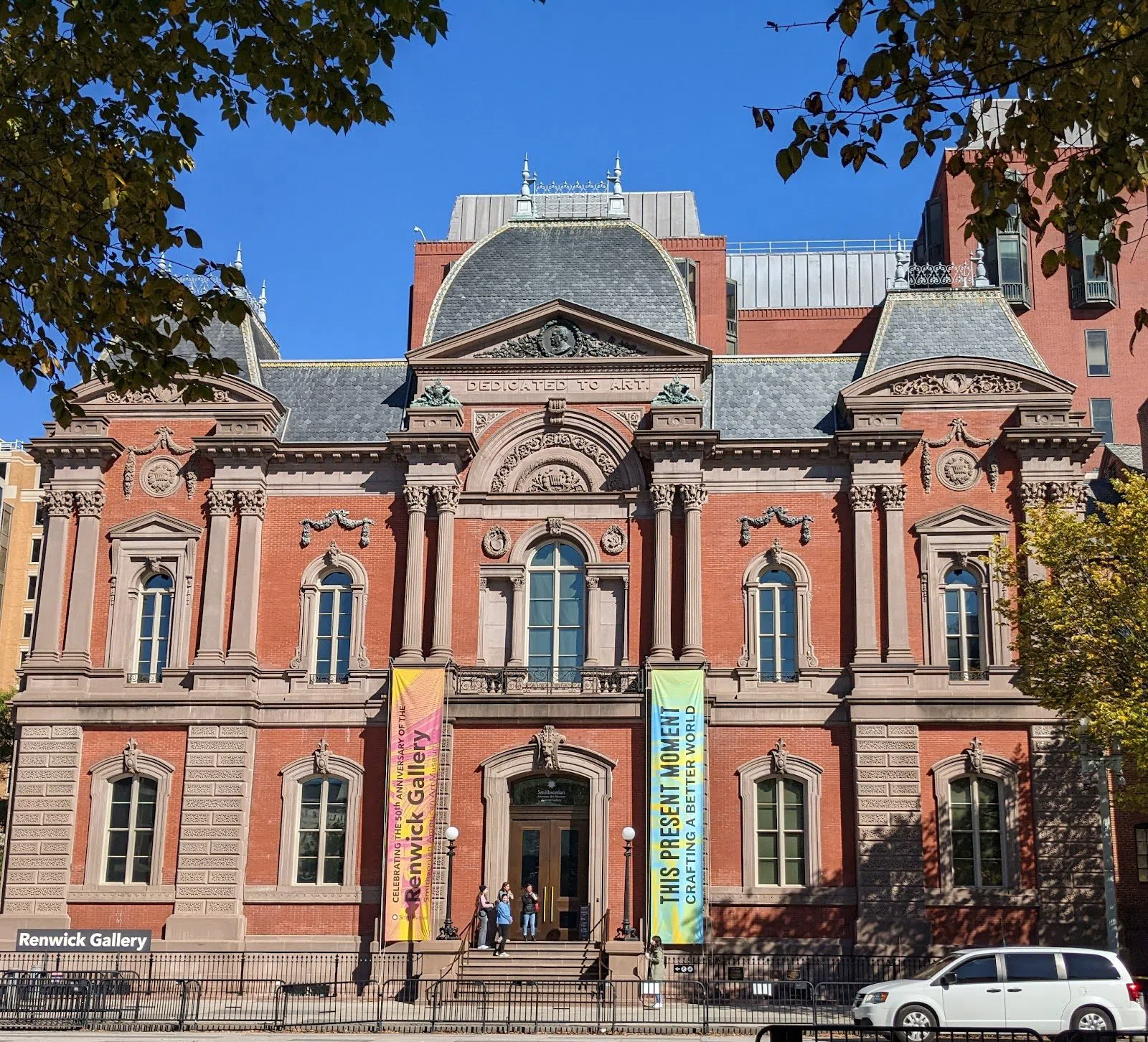
The Renwick Gallery (Pennsylvania Ave NW at 17th St, two blocks from the White House) is arguably the best-looking building in the entire Smithsonian system, and most tourists walk straight past it on their way to the White House fence line. It's the Smithsonian's craft and decorative art museum, a compact French Second Empire building that currently has "State Fairs: Growing American Craft" on view through September 7, 2026. Free, and because the footprint is small, large tour groups are better off splitting into smaller clusters rather than moving as one block — but groups are genuinely welcome.
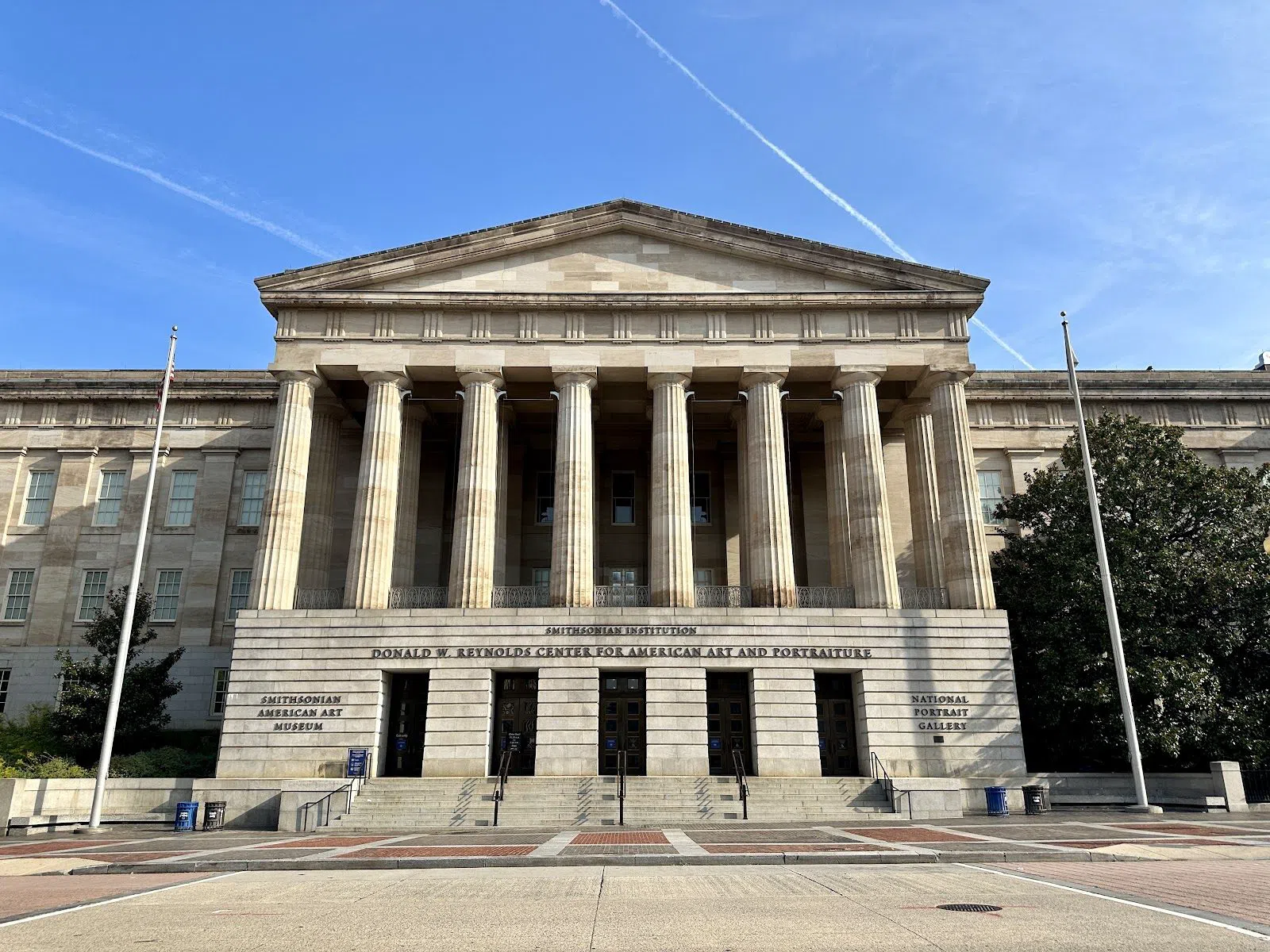
The Smithsonian American Art Museum & National Portrait Gallery (8th & F St NW, Penn Quarter/Gallery Place) share a single Greek Revival building — formerly the Old Patent Office — a couple of blocks from the Verizon Center in Penn Quarter. This is possibly the single best Smithsonian venue for a large group: two full collections under one roof, plenty of room to split a tour in two directions. SAAM is open daily, 11:30am–7pm, closed December 25 (note that SAAM's 18th-to-early-20th-century galleries are mid-renovation, expected back this autumn — everything else, including the whole of the Portrait Gallery, is fully open). The building's glass-canopied courtyard, designed by Norman Foster, is worth ten minutes on its own, even if you're not going in for the art.
Worth Crossing the River For
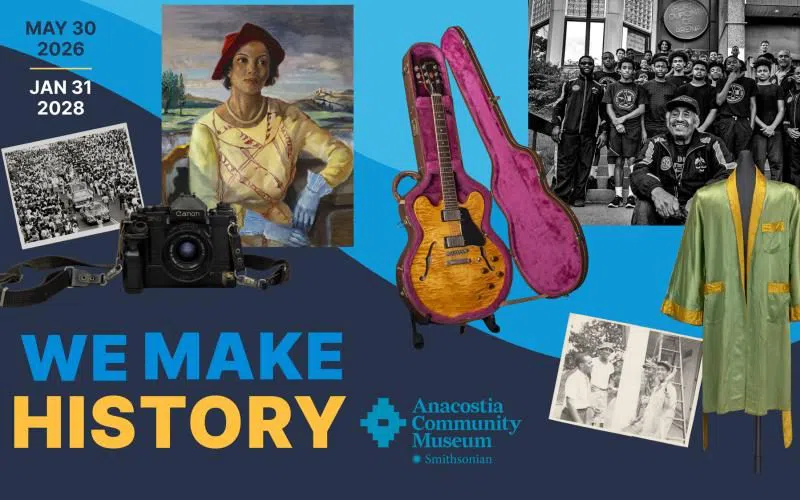
The Anacostia Community Museum (1901 Fort Place SE, Anacostia, east of the river) is the one entry on this list that genuinely never makes a postcard, and it's the most rewarding for readers with a real interest in DC's Black and community history rather than a checklist mentality. It reopened May 30, 2026 after renovation, with "We Make History" running through January 2028. This isn't a drive-by stop — it's best suited to smaller groups who actually want to sit with the material — and it's a genuine trip across the Anacostia River, away from the Mall entirely. Metro to Anacostia station, then a short bus or rideshare; budget the crossing itself as part of the visit, not an inconvenience before it.
Planning the Route
If you only have one day for the quiet Smithsonians: Postal Museum first thing (near Union Station, gets the day started away from the crowds), Metro or a 25-minute walk to the Mall cluster (African Art → Asian Art → Hirshhorn → American Indian), then the Castle and Arts and Industries Building as a late-afternoon bookend before they close for the day. That's a full day without setting foot in Air and Space or Natural History.
If you have a second day, or you're staying longer, split off the Renwick and SAAM/Portrait Gallery as a separate half-day near the White House and Penn Quarter, and treat Anacostia as its own dedicated half-day rather than squeezing it in.
For where to base yourself for a route like this, a Washington hotel search — Penn Quarter or Capitol Hill put you within walking distance of most of this list — and the full Washington guide cover the practical basics beyond museums.
Practical Notes
Transport: Metro is the easiest way to string these together — Smithsonian, L'Enfant Plaza, or Federal Triangle stations cover the Mall cluster; Union Station covers the Postal Museum; Farragut West or McPherson Square cover the Renwick; Gallery Place-Chinatown covers SAAM/Portrait Gallery; Anacostia station plus a short connection covers the community museum. Walking between the Mall museums themselves is faster than the Metro for that stretch — nothing on the Mall cluster is more than a ten-minute walk from its neighbour.
Cash: Every museum on this list is free — no advance ticket, no timed entry, no admission fee anywhere. Budget for food and any museum shop purchases only; the Mitsitam Cafe at the American Indian museum runs roughly $15–20 per person for a full meal, and the Postal Museum and Renwick don't have on-site restaurants, so plan lunch around the American Indian museum or step off the Mall.
Timing: All the Mall-area museums, plus the Postal Museum, run 10am–5:30pm daily, closed only December 25. SAAM runs later, to 7pm. The Castle and Arts and Industries Building are the two to prioritize before September 7, 2026 — after that, both close for renovation with no confirmed reopening date. Aim for opening time at whichever is first on your list; none of these get genuinely crowded, but the Mall cluster does fill up with school groups by late morning on weekdays.
Budget: Free admission across the board means this whole itinerary costs nothing beyond transport and food — a rare thing to say about a major world capital, and the main reason it's worth building a full day around what everyone else skips.
Before you go
Are all the museums in this guide free to enter?
Yes — every venue listed, from the Postal Museum to the Anacostia Community Museum, has free admission with no advance ticket or timed entry required.
Which of these museums should I prioritize before they close?
The Smithsonian Institution Building (the Castle) and the Arts and Industries Building are both confirmed open only through September 7, 2026, as part of America's 250th-anniversary programming — visit before that date, as neither has a confirmed reopening after.
Is the Hirshhorn's Sculpture Garden open in 2026?
No — the Sculpture Garden is mid-revitalization and isn't expected to reopen until October 2026. The Hirshhorn museum building itself is unaffected and fully open in the meantime.
Which of these museums work best for large tour groups?
The Smithsonian American Art Museum & National Portrait Gallery and the National Museum of the American Indian are the most group-friendly, with enough space to split large tours. The Renwick Gallery and Postal Museum welcome groups too, but their smaller footprints mean splitting into clusters or giving advance notice.
Do I need to book anything in advance?
No timed tickets are required anywhere on this list. Group and docent tours at museums like the National Museum of African Art and the National Museum of Asian Art can be reserved in advance through each museum's visit page, but general admission is walk-in.