The Washington issue
Planning a Washington Music Weekend Around October 3
The festival takes one Saturday in Maryland, and a dozen Washington rooms cover the nights either side of it. This guide is specific about doors, group sizes and how you get home.
By Noa BergströmThe District, one neighbourhood at a time
Washington's live rooms sit closer together than its monuments do. Stand on V Street after dark and three separate stages are within a quarter of an hour on foot, two of them descended from the same club; on the first weekend of October 2026 the whole city calendar leans toward a single Saturday. The anchor of that Saturday is not in the District at all, and that is the first thing to plan around.
The Saturday everything is arranged around
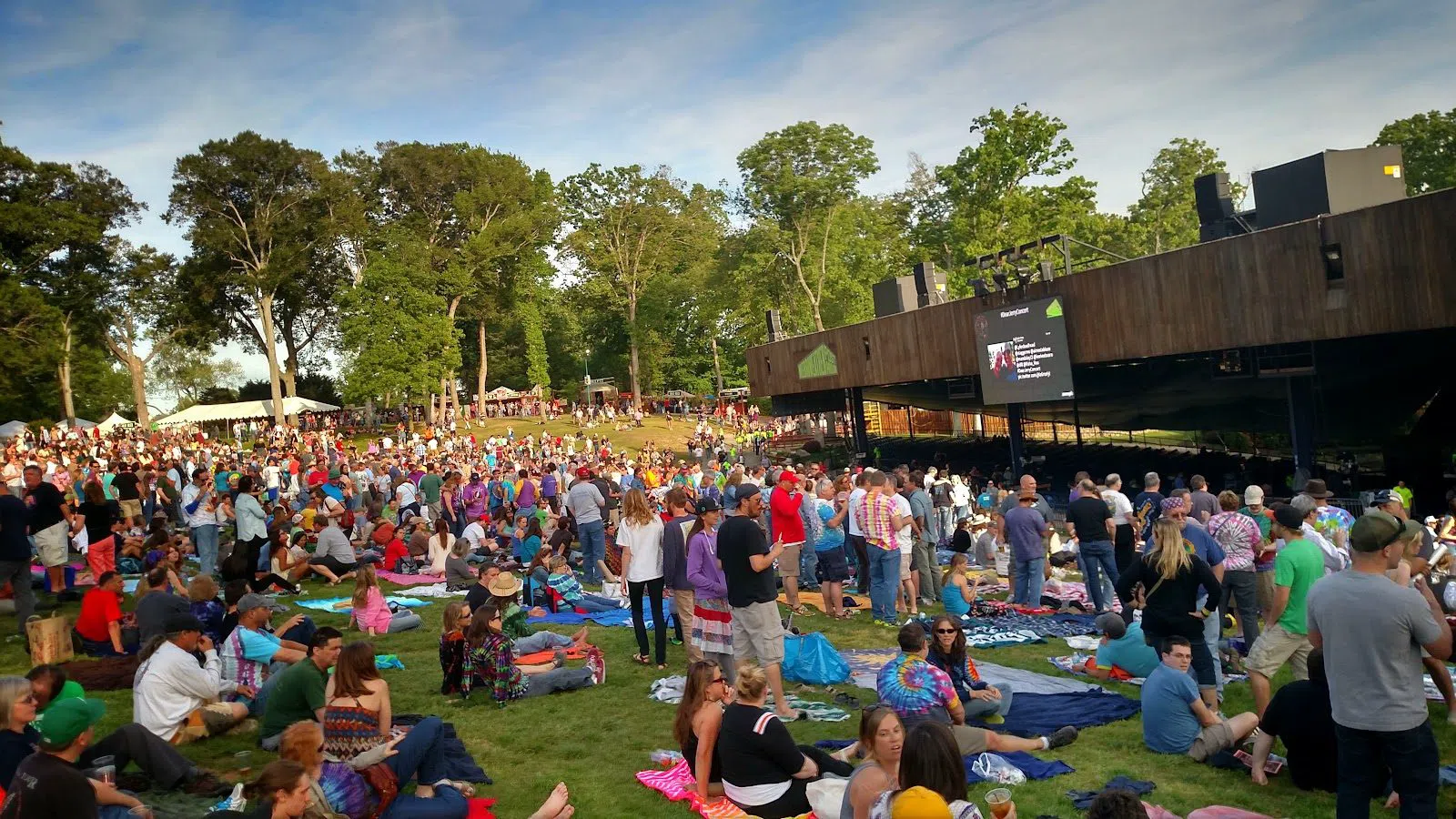
Merriweather Post Pavilion (Maryland, roughly an hour from downtown) hosts the Power to the People Festival on 3 October 2026, and the geography deserves stating plainly before the line-up does. The amphitheatre went up in 1967 to a design by a young Frank Gehry, a canopy over the fixed seats and a broad grass bowl rising behind them, and it is not on the Metro. You drive, or you take a coach. Parking is free, which is rare enough to be worth saying out loud, but the hour the map promises is an hour without a festival crowd in front of you. Leave early, and settle the return leg before you set off. The road back at midnight is not the place to start improvising.
The festival is Tom Morello's, and the bill is a deep one: Foo Fighters, Dave Matthews, Joan Baez, Public Enemy, Cypress Hill, Killer Mike, Serj Tankian, Dropkick Murphys and Brittany Howard across two stages, with Bruce Springsteen billed as a special guest, plus a site area called the Freedom Village. Tickets run $125 for the lawn, $225 for pavilion general admission, $375 for VIP and $1,500 for a super suite, all quoted all-in with fees, so the number you see is the number that leaves your account. That is not true of every festival.
The lawn is the sane choice for a group. It is unreserved, so a party of eight spreads out on blankets and nobody negotiates seat numbers. You trade close-up detail for room, and on a bill like this that is a fair trade. Pavilion GA puts you under the canopy and closer to the stage, and it is the tier to buy if the point of the day is watching musicians play rather than being in a field with several thousand people. There is no group-rate box office at this venue, so if you want your party in the same block, buy the whole lot in a single Ticketmaster transaction instead of one card at a time.
Plan your Washington trip
Live prices from our booking partners.
Free cancellation on many rooms. We may earn a commission when you book.
Two stages and a working diner on the Wharf
The redeveloped waterfront is the easiest base for a music weekend, because the distances there are measured in minutes, not Metro stops. The Anthem (the Wharf) is the city's flagship room at 6,000 capacity, and the best bet for a marquee name on the nights either side of the festival. Tickets sit somewhere between $45 and $150 depending on the act. The box office at 901 Wharf Street is open daily from noon to 7pm, which is useful if you would rather hand over cash than a booking fee. One warning for groups: some shows here are sold as mixed seated and standing, and a party split across both ticket types will spend the evening texting each other. Pick one and stick to it.
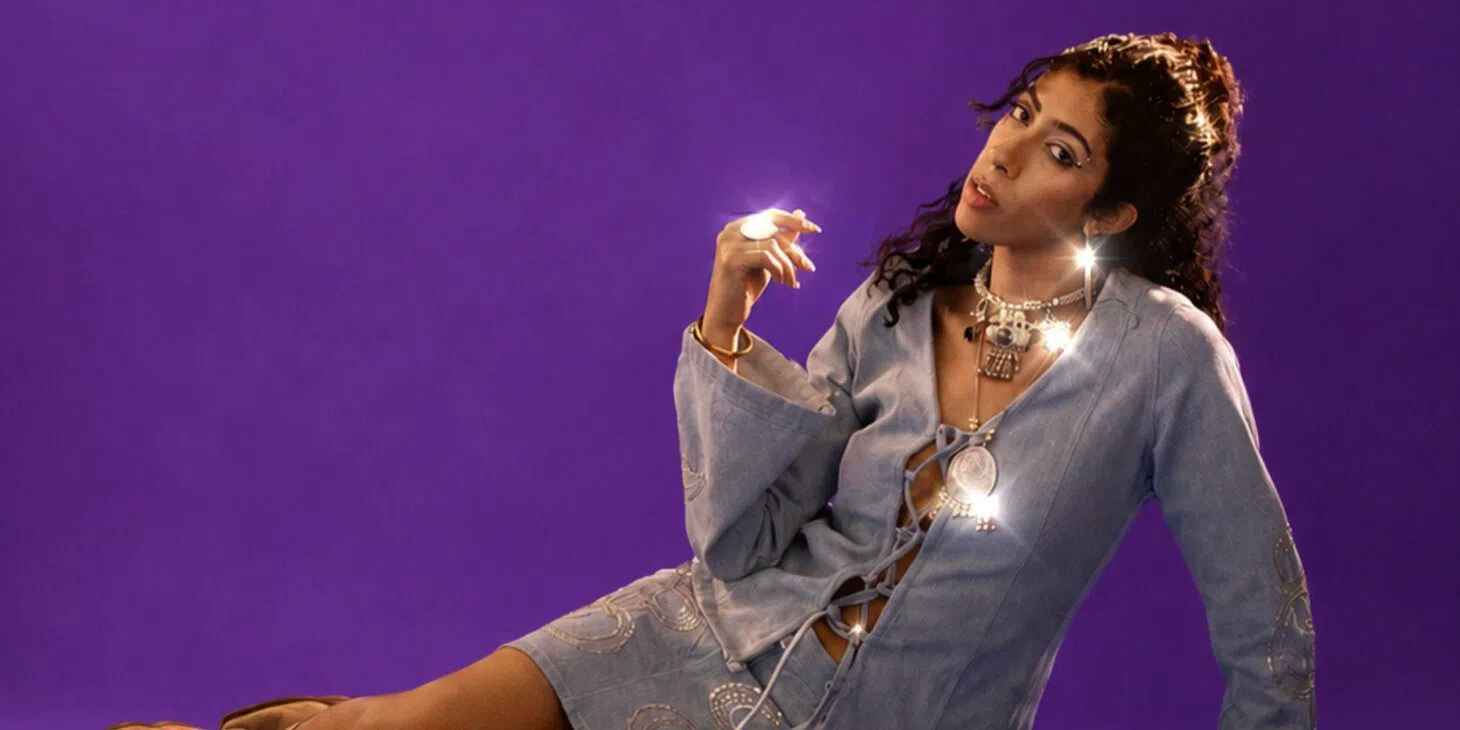
Two minutes away, Pearl Street Warehouse (the Wharf) is the other half of a Wharf night. It is a converted warehouse with a working diner inside, booking Americana, blues and songwriter bills, mostly $20 to $40 with several free-RSVP nights on the calendar. Seating is small tables and a bar rail, so call ahead if there are six or more of you. Both all-ages and 18+ shows run here, which makes it one of the few rooms on this list that can take a mixed-age group without a conversation at the door.
Restaurants and hotels are within a two-minute walk of The Anthem, so if you want a weekend that asks as little of you as possible between shows, begin your Washington hotel search on this stretch of water.
Shaw and U Street, fifteen minutes end to end
This is the corridor that made the city's live reputation, and you can walk the whole of it. 9:30 Club (Shaw) remains the sharpest booking in town and, unusually for a club of its size, has good sightlines from almost anywhere in the room. It is standing general admission with no reserved tables, tickets around $35 to $70. A group is fine here, but arrive together: the balcony rail fills first, and it fills early. Age policy varies show by show, some 16+ and some 21+, so check the specific date before you book for anyone under 21, not on the pavement outside.

About ten minutes' walk away, The Atlantis (Shaw) is a faithful rebuild of the small club that 9:30 grew out of, and it books bands roughly one album before they graduate to the bigger room. Tickets are $30 to $50 and shows sell out fast, so buy the moment your dates are fixed. It is a tight room and honest about it: two to four people who want to be close to the stage will love it, a group of more than six will simply be split up across the floor.
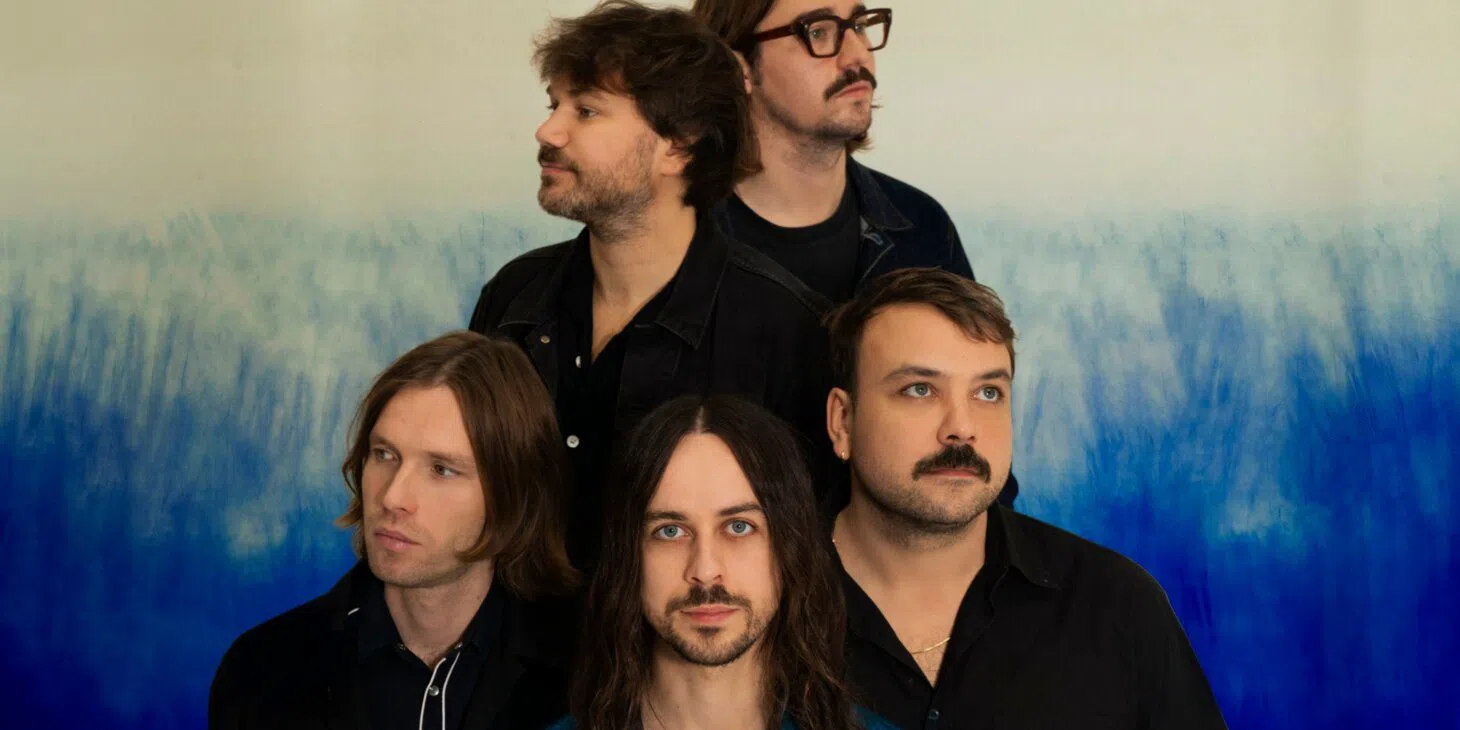
The Howard Theatre (Shaw, on the U Street side) is the building worth buying a ticket for on its own merits. It opened in 1910 and anchored Black Broadway; the programming now runs hip-hop to psych to funk, with tickets around $30 to $80. It holds 1,200 standing or 600 seated, and some shows offer table seating, which makes it one of the better rooms in the city to book a group into properly. It is run by Union Stage Presents, so the ticketing behaves the same way as several other rooms on this list.
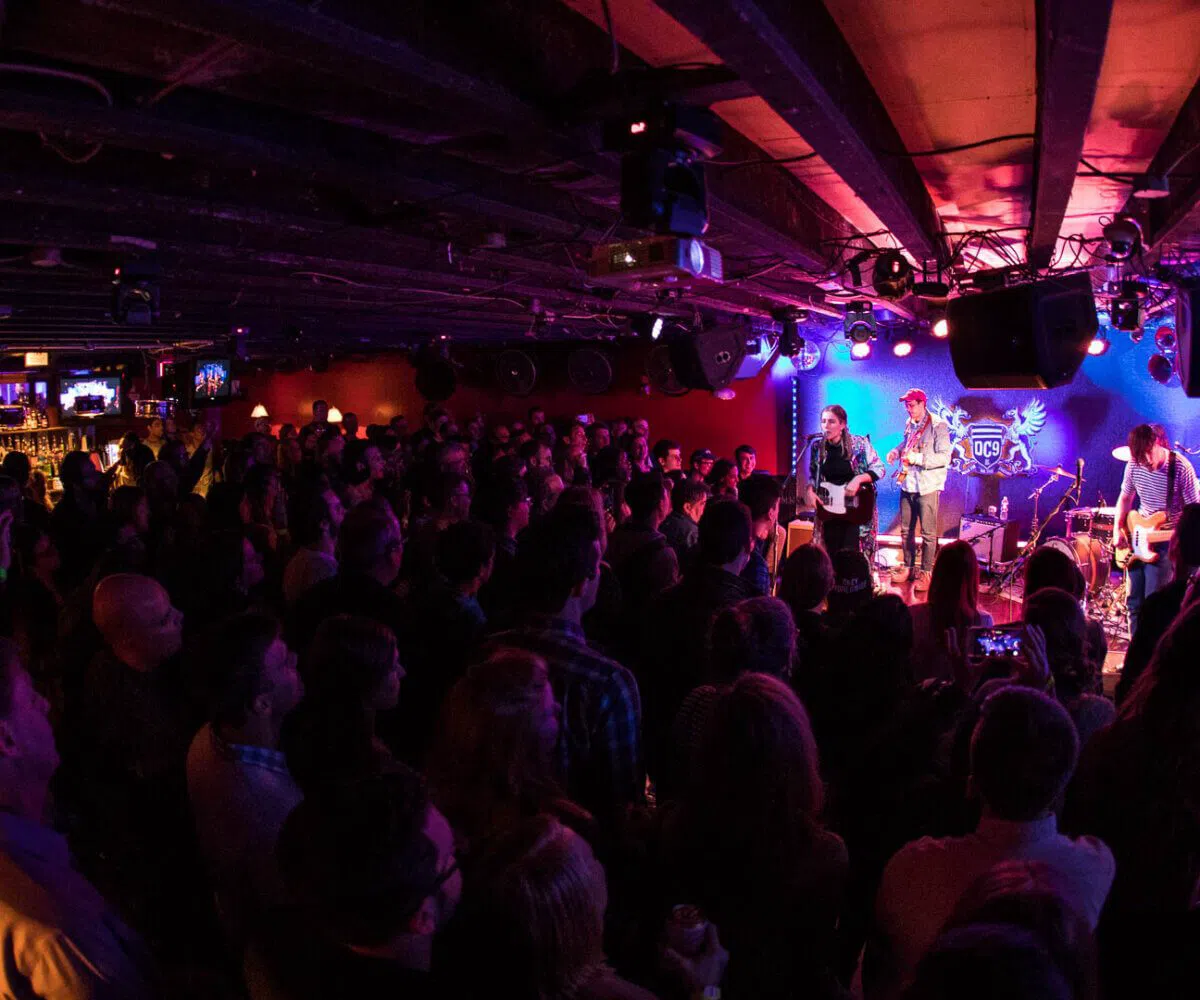
DC9 (Shaw) is the right place to end a night. Two hundred and fifty capacity across three floors, cheap or free at the door up to about $20, open until 3am on Friday and Saturday, and closed on Tuesdays. The roof deck is the practical part: if your bill downstairs starts at nine, it is a good meeting point for a group that will otherwise trickle in one by one.
Black Cat (14th Street, about fifteen minutes' walk south) has been independently booked for more than thirty years and still is. Tickets are $20 to $45, the door is casual, and there are no reservations. Two things to know before you go: the venue is now the upstairs room only, since the downstairs Backstage space closed, and the box office takes cash as well as online sales, which is worth remembering if you are travelling without much of it. Early October 2026 dates already on sale include Bear Ghost, Frog with Woods, Brian Fallon and Show Me the Body.
The small rooms worth crossing town for
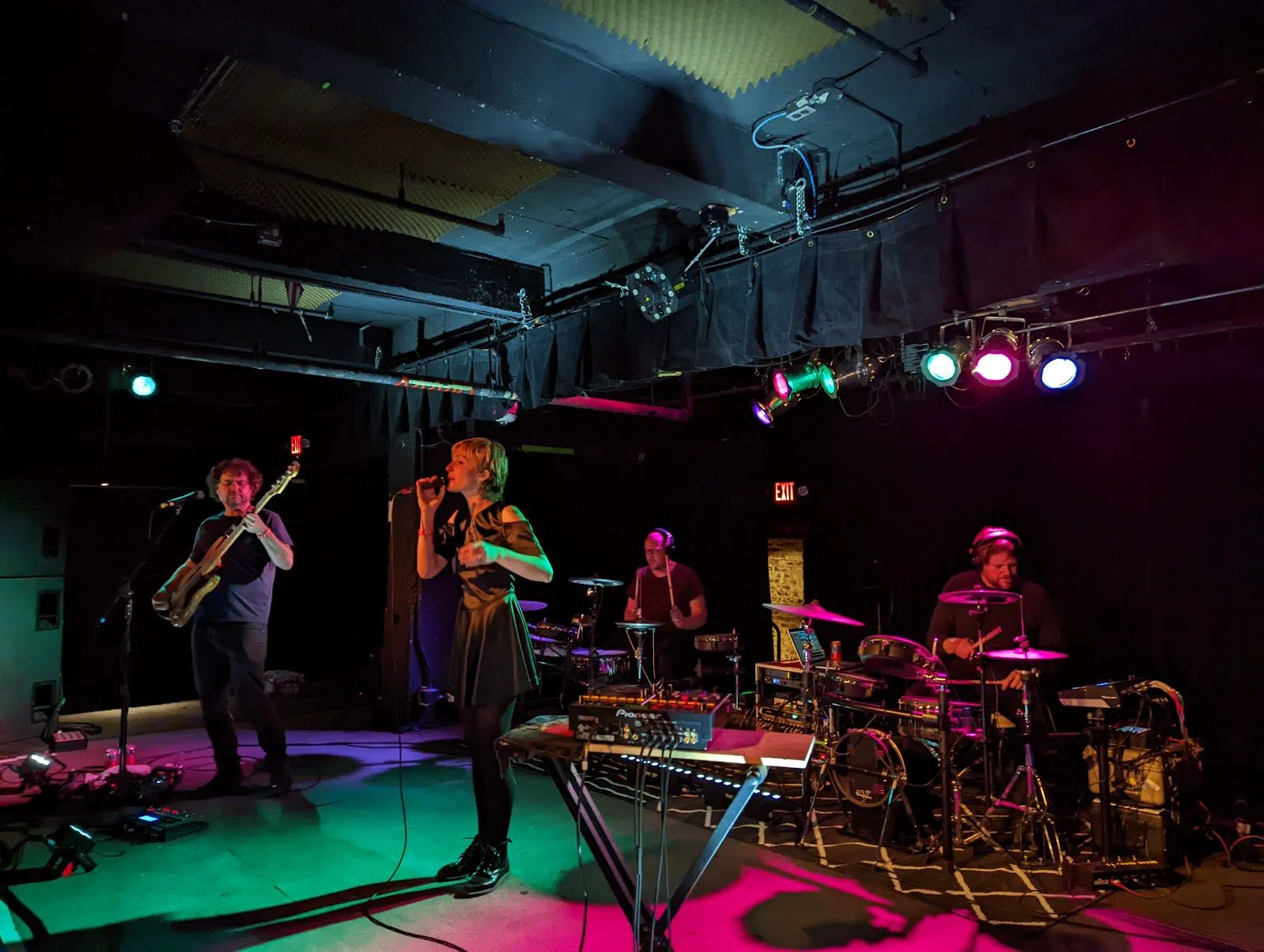
Songbyrd Music House (Union Market) is a vinyl shop, a café and a 150-capacity venue in one building, which means a group can turn up hours before doors and stay put. There is no reserved seating; six people are comfortable and more is a squeeze. Tickets run from free to about $25, and some nights (trivia, showcases) cost nothing at all. The calendar swings from indie to metal to hip-hop on consecutive evenings, so read the listing rather than the venue.
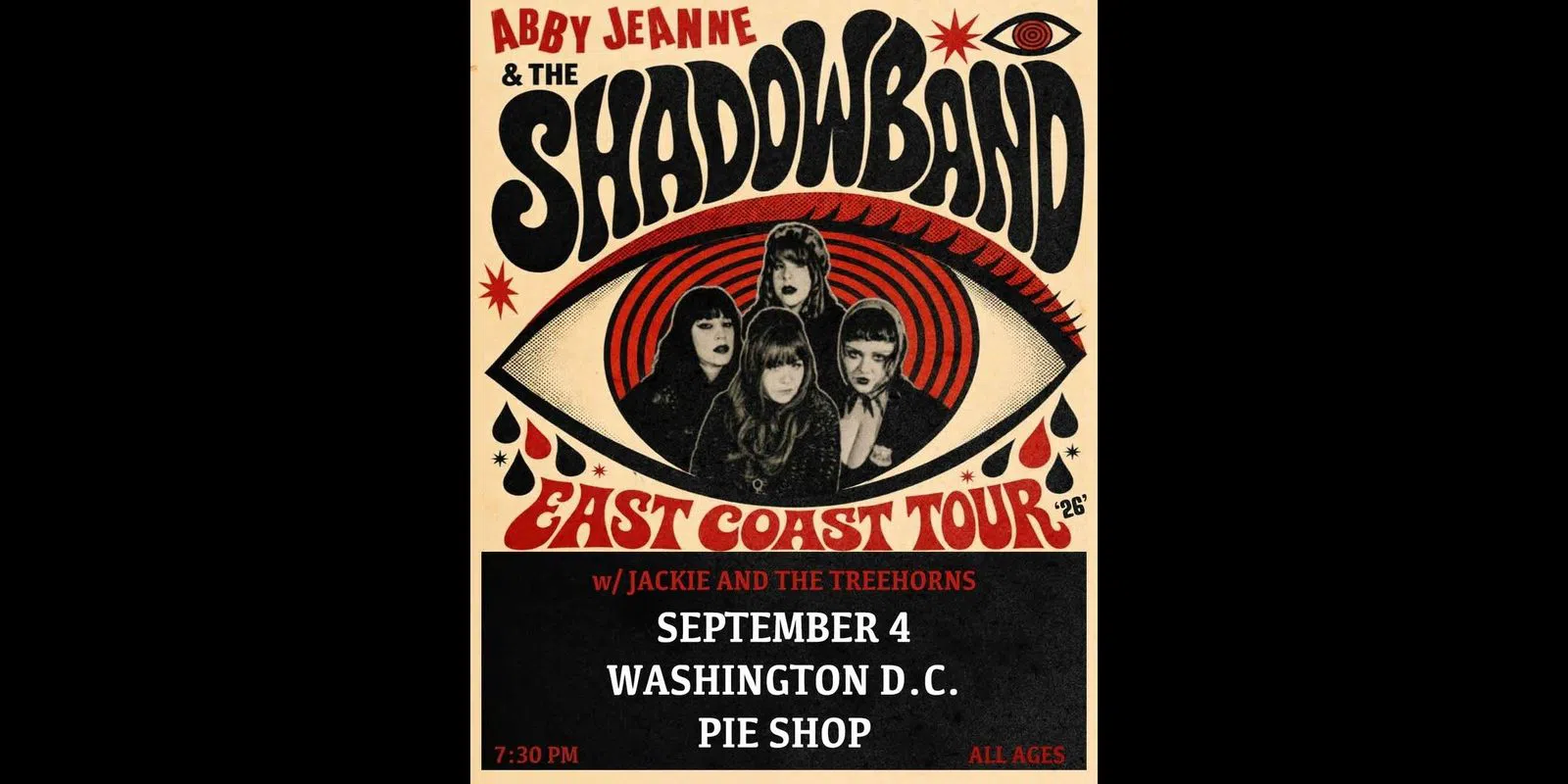
Pie Shop (H Street NE) is the closest thing the city has to a house show you can buy a ticket to. A woman-owned bakery since 2010, with an award-winning music room upstairs, tickets $12 to $25, and yes, there is pie. It is genuinely tiny: two to four people, no more, and shows sell out routinely, so book before you fly.
Where you can sit down and eat
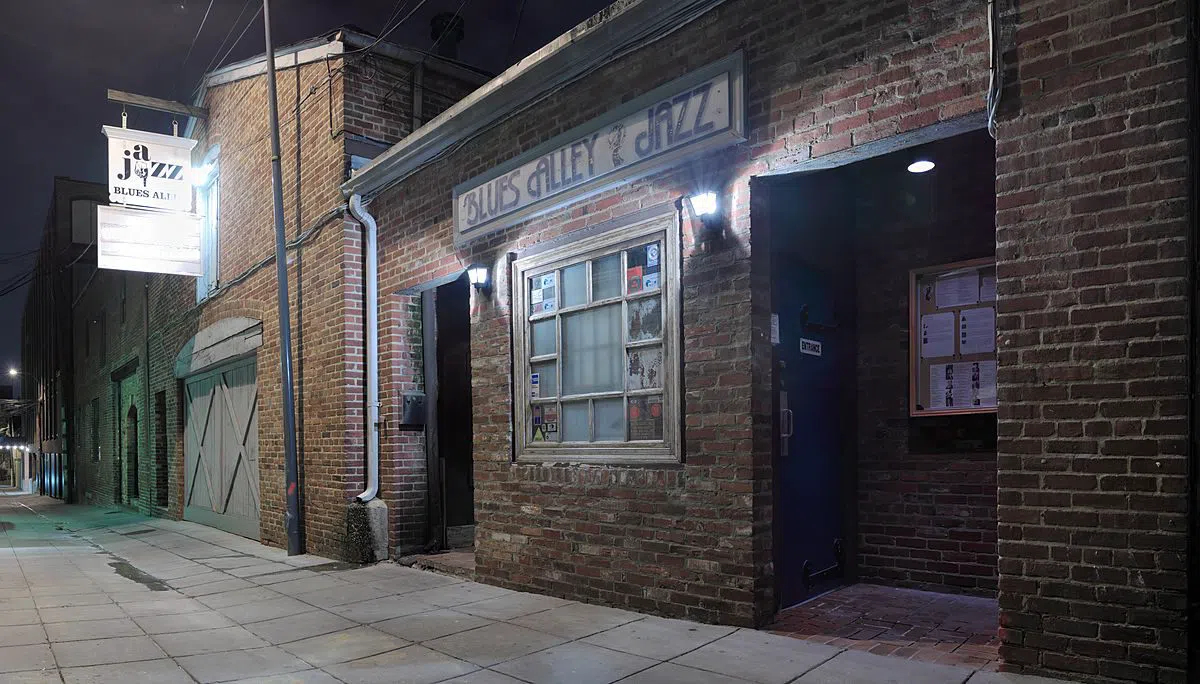
Blues Alley (Georgetown) has been running since 1965 and is the oldest continuously operating jazz supper club in the country. A hundred and twenty-five seats, two sets a night, seven nights a week, still booking names on the order of Monty Alexander and Kenny Garrett. Expect a cover of roughly $35 to $70 plus a per-person food or drink minimum at the table, and reserve by phone if there are several of you. If you have another show later, take the early set. The two-set structure exists precisely so you can.
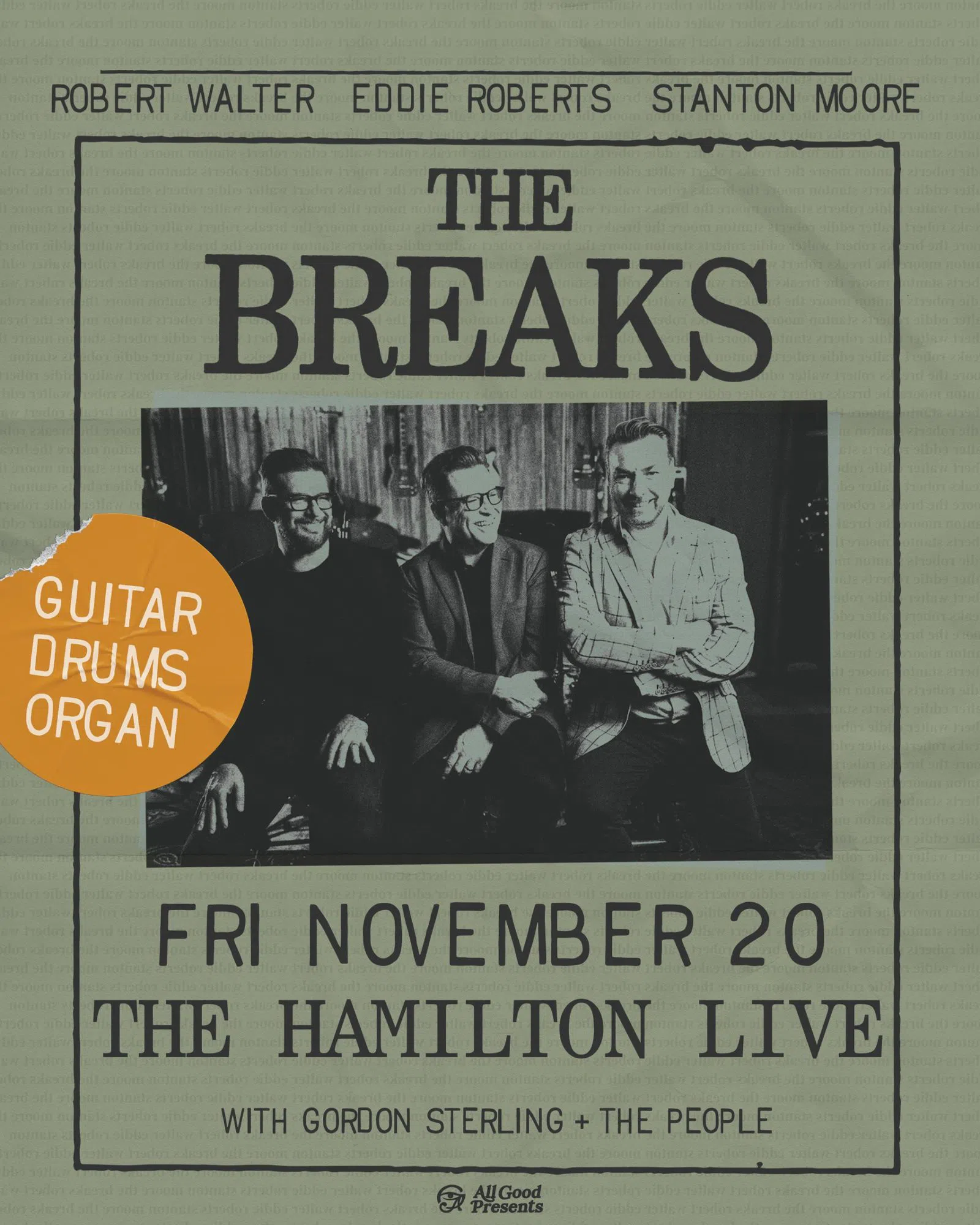
The Hamilton Live (downtown, steps from Metro Center) is the strongest group option on this list by some distance. Tables seat up to eight, food is served through the performance, and the bills lean go-go, funk, bluegrass and tribute acts, with tickets between $20 and $60. There are three tiers, GA bar, GA seated and premium Gold Seated, and for a group the seated tiers are the point. This is the room for the night when a party of eight would rather eat properly than stand for three hours balancing a drink.
The free hour and the late one
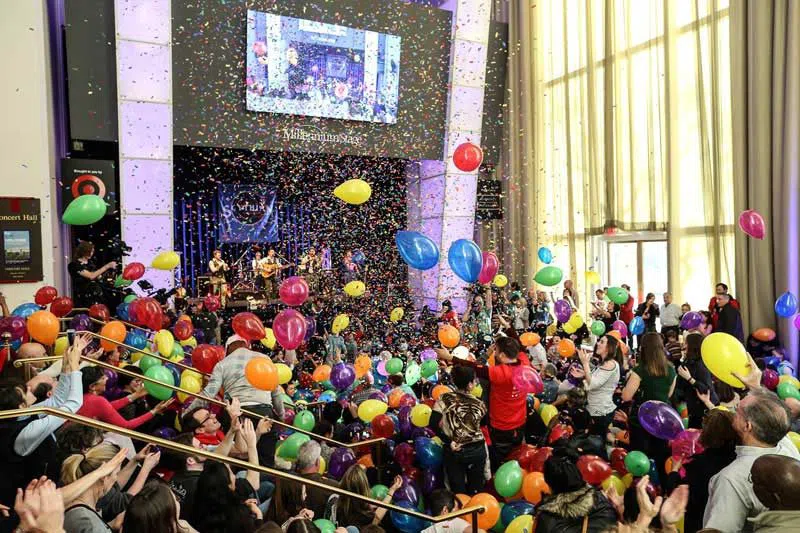
Millennium Stage at the Kennedy Center (Foggy Bottom) puts on free performances in the Grand Foyer at 6pm, Wednesday to Saturday, covering music, dance and theatre. No tickets, no registration, walk-ins only. Arrive early if you want a seat; otherwise it is standing at the back, which is perfectly fine for an hour. It is the cheapest hour of first-rate performance in the city and the cleanest way to start a Saturday evening, and for a group that has not committed to anything it removes the need to decide. From there it is a little over a mile to Georgetown, about twenty-five minutes on foot along the water, which pairs neatly with an early set at Blues Alley.
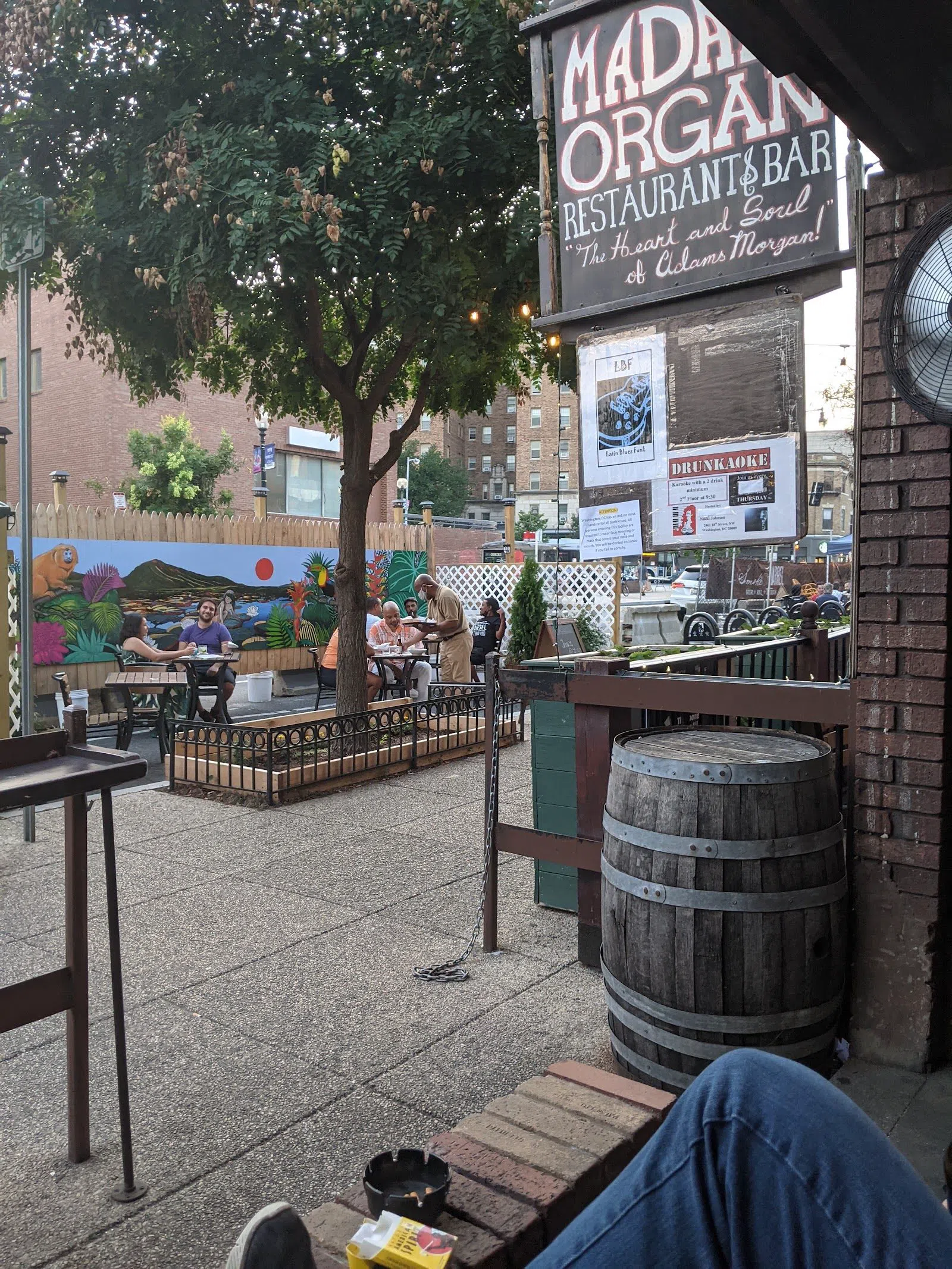
Madam's Organ (Adams Morgan) is the late option once the ticketed shows have finished. Live music seven nights a week across multiple stages, a small cover typically under $10, cheap drinks, and open until 3am on Friday and Saturday. It is more blues bar than concert venue, loud and unrefined, not somewhere to go for a listening experience, and it is built for groups: there is a mezzanine overlooking the main stage for parties, and private hire is arranged by email.
If the festival is not your weekend
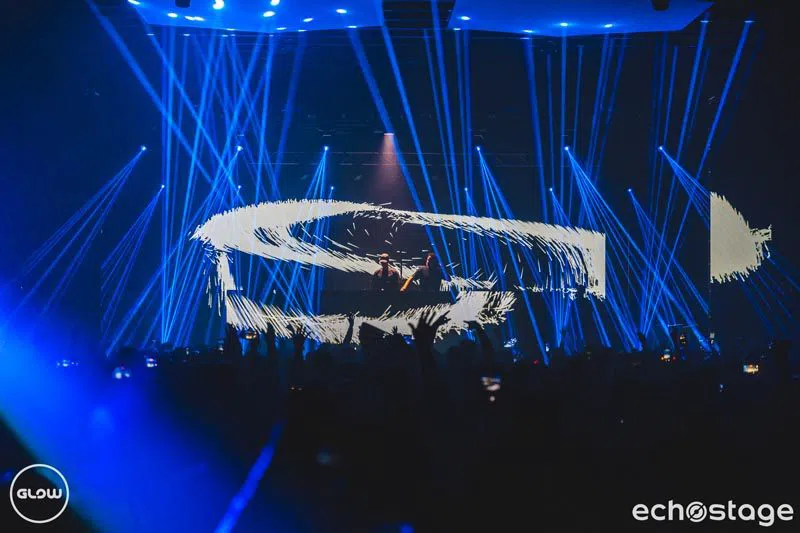
Echostage (Northeast) is the counter-programme, and a serious one. It has been named North America's top club by DJ Mag more than once, and the first weekend of October 2026 brings Peggy Gou on the 2nd and a Diplo block party on the 3rd, the same night as the festival, on the other side of the city and the other side of the taste divide. Tickets run about $40 to $90. It is standing only, with no tables outside paid VIP, and the age policy changes by event, all ages for some, 18+ for others. The one real constraint is distance: it is a long way from downtown, and you should arrange the ride home before you go in, not at 3am on the pavement.
Practicalities
Transport is simple in the centre. Everything in Shaw, on U Street, on 14th Street and downtown is walkable between venues; the Wharf is self-contained. The two exceptions will cost you if you ignore them. The festival site in Maryland has no Metro connection and needs a car or a coach with the return leg pre-booked, and Echostage is far enough out that a ride back has to be arranged in advance. Metro does not run all night, and three rooms here (DC9, Madam's Organ, Echostage) go well past when it stops.
Cash is mostly optional, occasionally not. Black Cat's box office takes cash as well as online payment, Madam's Organ runs a small door cover, and Blues Alley applies a per-person minimum at the table on top of the cover, so budget for a meal there rather than a ticket.
Book in this sequence: the festival tier you want, then The Atlantis and Pie Shop, which are small and sell out first, then The Anthem, then everything else. Blues Alley and The Hamilton Live want a phone call or a table booking if you are more than four. Millennium Stage needs nothing at all. Just be in the Grand Foyer before six.
On budget, a festival lawn ticket at $125, one club night at $35 to $70, a free hour at the Kennedy Center and a late cover under $10 at Madam's Organ gets you a full weekend of live music for under $220 a head before food and beds. Swap the lawn for pavilion GA and a Hamilton Live table and you are closer to $320, eating included. For where to stay, how the districts connect and what else is worth your time between shows, the Washington guide covers the rest of the city.
Before you go
How do I get from downtown Washington to the festival on 3 October 2026?
Merriweather Post Pavilion is in Maryland, roughly an hour from downtown, and there is no Metro connection. Drive (parking is free) or take a coach, allow more than an hour on a festival afternoon, and arrange the return journey before you set off, because Metro will not be running when the night ends.
Which Washington venues actually work for a group of eight?
The Hamilton Live is the best of them, with tables seating up to eight and food served through the show. The Howard Theatre has table seating on some nights, there is a mezzanine at Madam's Organ for parties, and the festival lawn is unreserved, so groups can spread out. Avoid The Atlantis and Pie Shop, which will split a party that size.
Are Washington's music clubs all-ages?
Age limits are set per show rather than per venue. 9:30 Club has some 16+ and some 21+ nights, Echostage changes policy per event, and Pearl Street Warehouse runs both all-ages and 18+ bills. Check the individual listing before booking for anyone under 21.
How far ahead should I book tickets for early October 2026?
Book the small rooms first. The Atlantis and Pie Shop sell out routinely, so buy the moment your dates are fixed. Festival tiers and The Anthem come next. Blues Alley and The Hamilton Live want a phone call or a table booking for groups, and Millennium Stage needs no booking at all.
What can I see in Washington for free that weekend?
Millennium Stage at the Kennedy Center puts on free performances in the Grand Foyer at 6pm Wednesday to Saturday, walk-ins only. Songbyrd Music House and Pearl Street Warehouse both run free or free-RSVP nights, and DC9's door is sometimes free.